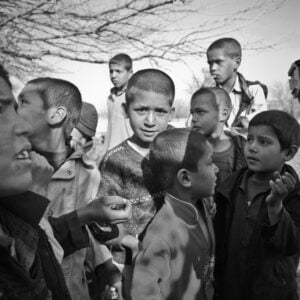
The Victorian Government has proposed new laws that would allow children as young as 14 to be tried as adults, including the possibility of facing life sentences. These laws align with “tough-on-crime” policies previously implemented in Queensland and the Northern Territory, which have resulted in higher rates of youth incarceration, trauma for families, and little improvement in community safety. Critics argue that this represents a significant regression for Victoria, historically seen as a progressive state, and would disproportionately impact Aboriginal, Torres Strait Islander, and children from diverse backgrounds, who already face systemic bias within the justice system.
Opponents emphasize that children should never be treated as adults in legal proceedings. They urge the public to contact local Members of Parliament while the Victorian Parliament is sitting, highlighting that personal calls are effective in conveying public concern. Resources such as key talking points and contact details have been prepared to facilitate community action.
Evidence indicates that reactionary policies like this are ineffective at preventing youth crime. Advocates call for investment in early intervention, rehabilitation, and community-led diversion programs, which are proven to reduce offending. Supporting children through structured opportunities, mentorship, and strong community connections is considered a more effective approach to keeping at-risk youth on a positive path and reducing future involvement with the justice system.