In southern Angola, where recurrent droughts have long threatened food security and livelihoods, the Banda Chibia Dam is providing a transformative solution. Led by the Food and Agriculture Organization of the United Nations (FAO), in partnership with the Government of Angola and the European Union, the project delivers sustainable water management that supports climate-smart agriculture and empowers rural communities.
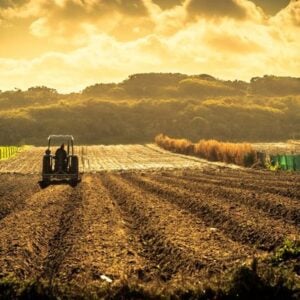
Constructed under FAO’s technical guidance, the Banda Chibia Dam now provides permanent water access to over 500 farmers, including 285 women, across 750 hectares of farmland. This reliable irrigation allows year-round farming, reduces the distance farmers must travel to access water, and improves soil fertility. In addition, the dam holds potential for hydroelectric power generation, offering clean energy to nearby communities.
The initiative also emphasizes innovation and inclusion. Using the GreeNTD methodology, a participatory approach that brings together communities and institutions, farmers co-design sustainable land and resource management strategies. Through Farmer Field Schools, small-scale farmers receive hands-on training in climate-smart practices, soil conservation, and adaptive farming techniques. The project ensures equitable participation of women, men, and youth, fostering community ownership and long-term sustainability.
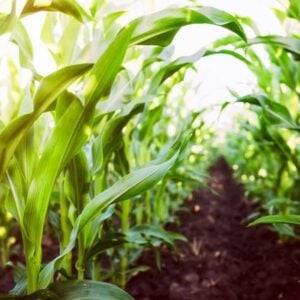
The Banda Chibia Dam has led to an 82% increase in crop diversity and production, enabling farmers to supply onions, cabbage, tomatoes, and citrus fruits to local and regional markets. This integrated approach—combining infrastructure, innovation, and community empowerment—offers a model for replicating similar initiatives in other drought-affected regions of Angola and beyond.
A recent evaluation and RIMA analysis conducted on 22 July 2025 confirmed the dam’s positive impact on food security, household incomes, and resilience to climate shocks, highlighting its role as a beacon of climate-smart agriculture and sustainable rural development.