The second phase of the EU4GenderEquality programme has officially concluded in the Republic of Moldova after a 30-month implementation period, marking a significant step forward in promoting gender equality, preventing gender-based violence, and challenging deep-rooted social stereotypes. Nearly 3,000 people across the country directly participated in initiatives designed to build more inclusive and equitable communities.
Implemented across Eastern Partnership countries and funded by the European Union, the programme brought together UN agencies, civil society organizations, public institutions, and local communities to drive long-term social change.
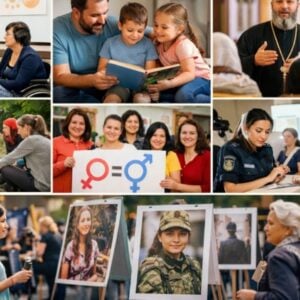
A key focus of the programme was transforming traditional gender norms through community engagement. Working with local civil society partners, initiatives were developed to support women and girls, particularly those from vulnerable groups, while also addressing structural inequalities. Special attention was given to women and girls with disabilities, who benefited from dedicated support networks and improved access to information on rights and protection services. Training sessions also strengthened the capacity of professionals across social services, healthcare, education, and law enforcement to better identify and respond to cases of discrimination and violence.
One of the programme’s most impactful components was the promotion of active fatherhood. Through the establishment of Fathers’ Clubs in multiple regions, more than 500 fathers and boys participated in activities focused on positive parenting, communication skills, and shared caregiving responsibilities. Local facilitators were trained to encourage healthier models of masculinity and to promote equal participation in family life. These efforts aimed to reduce the unequal burden of unpaid care work and strengthen family relationships based on respect and cooperation.
Recognizing the influence of trusted community voices, the programme also involved religious leaders in efforts to prevent domestic violence and promote respectful relationships. Training sessions enabled clergy members to address harmful stereotypes and support communities in challenging abusive behaviors. Young people were also actively engaged through interactive activities and leadership training. Hundreds of youth participated in initiatives designed to promote equality, while selected peer leaders were equipped to continue advocacy efforts within their communities.
The closing event highlighted strong collaboration between international organizations, government agencies, and civil society partners. Representatives emphasized that meaningful change in gender equality requires sustained cooperation and long-term commitment. Stakeholders agreed that the programme’s achievements should be scaled and integrated into public policies to ensure lasting impact. The initiative has demonstrated that community-driven action can play a critical role in reducing gender-based violence and promoting more equitable social norms.
The conclusion of the EU4GenderEquality programme’s second phase in Moldova marks an important achievement in advancing gender equality and preventing violence. With thousands of participants engaged and multiple community-based initiatives implemented, the programme has contributed to reshaping attitudes and strengthening inclusive social structures across the country.