United Nations Office for the Coordination of Humanitarian Affairs has raised alarm over the rapidly worsening humanitarian crisis in Haiti, following a recent mission by its Crisis Response Director. Large parts of the country, including nearly 90% of the capital Port-au-Prince, are under the control of armed gangs, contributing to escalating insecurity, displacement, and severe protection risks.
The crisis has reached critical levels, with more than 6.4 million people—over half the population—requiring humanitarian assistance. Around 5.7 million people are facing hunger, forcing families to skip meals and children to abandon education to support their households. Displacement has also surged, with 1.5 million people forced from their homes, often living in overcrowded and unsafe conditions.
Violence continues to intensify across the country, with recent attacks causing deaths and mass displacement. Conditions in temporary shelters are extremely harsh, with thousands of people living in spaces far beyond capacity and exposed to poor sanitation and health risks. The ongoing insecurity has also disrupted education, leaving around 250,000 children out of school due to the closure of more than 1,600 institutions.
Women and girls are facing particularly severe risks, with gender-based violence rising sharply. Thousands of cases have been reported, many involving sexual violence, and a significant proportion of survivors are minors. Access to medical and psychological support remains limited, with only a small percentage of survivors receiving timely care due to funding shortages.
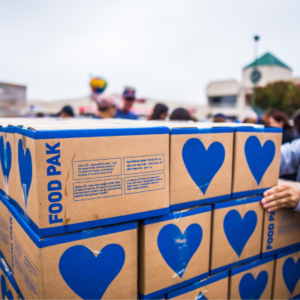
Despite these challenges, humanitarian organizations continue to operate under extremely difficult conditions, often negotiating access in gang-controlled areas to deliver aid. However, response efforts are severely underfunded, with only a fraction of the required resources secured so far.
The situation highlights the urgent need for global action, including ending violence, increasing humanitarian funding, and pursuing long-term political and development solutions. While aid remains critical, sustained investment in essential services and stability is necessary to address the root causes of the crisis and improve conditions for the Haitian population.