• Skip to primary navigation
  • Skip to main content
  • Skip to primary sidebar

fundsforNGOs News

Grants and Resources for Sustainability

  • Subscribe for Free
  • Premium Support
  • Premium Login
  • Premium Sign up
  • Home
  • Funds for NGOs
    • Agriculture, Food and Nutrition
    • Animals and Wildlife
    • Arts and Culture
    • Children
    • Civil Society
    • Community Development
    • COVID
    • Democracy and Good Governance
    • Disability
    • Economic Development
    • Education
    • Employment and Labour
    • Environmental Conservation and Climate Change
    • Family Support
    • Healthcare
    • HIV and AIDS
    • Housing and Shelter
    • Humanitarian Relief
    • Human Rights
    • Human Service
    • Information Technology
    • LGBTQ
    • Livelihood Development
    • Media and Development
    • Narcotics, Drugs and Crime
    • Old Age Care
    • Peace and Conflict Resolution
    • Poverty Alleviation
    • Refugees, Migration and Asylum Seekers
    • Science and Technology
    • Sports and Development
    • Sustainable Development
    • Water, Sanitation and Hygiene (WASH)
    • Women and Gender
  • Funds for Companies
    • Accounts and Finance
    • Agriculture, Food and Nutrition
    • Artificial Intelligence
    • Education
    • Energy
    • Environment and Climate Change
    • Healthcare
    • Innovation
    • Manufacturing
    • Media
    • Research Activities
    • Startups and Early-Stage
    • Sustainable Development
    • Technology
    • Travel and Tourism
    • Women
    • Youth
  • Funds for Individuals
    • All Individuals
    • Artists
    • Disabled Persons
    • LGBTQ Persons
    • PhD Holders
    • Researchers
    • Scientists
    • Students
    • Women
    • Writers
    • Youths
  • Funds in Your Country
    • Funds in Australia
    • Funds in Bangladesh
    • Funds in Belgium
    • Funds in Canada
    • Funds in Switzerland
    • Funds in Cameroon
    • Funds in Germany
    • Funds in the United Kingdom
    • Funds in Ghana
    • Funds in India
    • Funds in Kenya
    • Funds in Lebanon
    • Funds in Malawi
    • Funds in Nigeria
    • Funds in the Netherlands
    • Funds in Tanzania
    • Funds in Uganda
    • Funds in the United States
    • Funds within the United States
      • Funds for US Nonprofits
      • Funds for US Individuals
      • Funds for US Businesses
      • Funds for US Institutions
    • Funds in South Africa
    • Funds in Zambia
    • Funds in Zimbabwe
  • Proposal Writing
    • How to write a Proposal
    • Sample Proposals
      • Agriculture
      • Business & Entrepreneurship
      • Children
      • Climate Change & Diversity
      • Community Development
      • Democracy and Good Governance
      • Disability
      • Disaster & Humanitarian Relief
      • Environment
      • Education
      • Healthcare
      • Housing & Shelter
      • Human Rights
      • Information Technology
      • Livelihood Development
      • Narcotics, Drugs & Crime
      • Nutrition & Food Security
      • Poverty Alleviation
      • Sustainable Develoment
      • Refugee & Asylum Seekers
      • Rural Development
      • Water, Sanitation and Hygiene (WASH)
      • Women and Gender
  • News
    • Q&A
  • Premium
    • Premium Log-in
    • Premium Webinars
    • Premium Support
  • Contact
    • Submit Your Grant
    • About us
    • FAQ
    • NGOs.AI
You are here: Home / cat / Improving Nutrition in Pakistan: Key Initiatives and Impact

Improving Nutrition in Pakistan: Key Initiatives and Impact

Dated: April 7, 2026

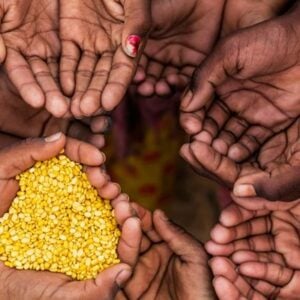
Pakistan faces a silent nutrition crisis where diets high in grains and sugar leave many undernourished while diabetes rates continue to rise. Although the country produces enough food, access to balanced diets remains limited, particularly for vulnerable populations. Experts suggest that shifting from a traditional ‘food security’ approach to a comprehensive ‘food systems transformation’ could address this challenge effectively.

Sugar is ubiquitous in daily life, but its prevalence highlights deeper dietary and economic issues. Children in Pakistan are among the most malnourished in the region, with over 30 percent of under-fives stunted. Diet-related diseases are rising, and Pakistan has the highest adult diabetes prevalence in the world, affecting approximately 34.5 million people. These patterns reflect a system that prioritizes calories over nutrition.

Historically, Pakistan’s food policies focused on ensuring staple crop availability, such as wheat, to feed a growing population. While this approach addressed the threat of famine, it does not ensure access to nutritionally adequate and diverse foods. Today, the challenge is not just food supply but whether families can afford and access a diet that supports health.

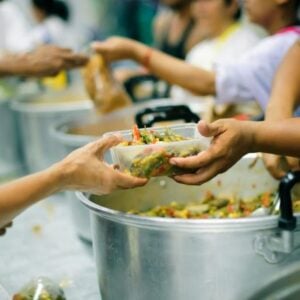
Over 60 percent of Pakistanis cannot afford a healthy diet, with 16.5 percent undernourished and 23 percent obese. In 2024, UN agencies and partners provided nutrition support to over 1.2 million children and women, treating more than 565,000 children for severe acute malnutrition. Evidence from the FAO-led Food Systems Transformation initiative shows gaps in availability of fruits, vegetables, pulses, and legumes, limiting access to healthy diets.

A policy shift is needed to move beyond staple-focused food security to managing the entire food system, including resource allocation, production choices, and nutrition outcomes. In 2024, Pakistan secured its first allocation from the Joint SDG Fund to enhance agricultural resilience, improve nutrition, and promote sustainable rural livelihoods, guided by FAO technical leadership. Key achievements include the National Nutrition Action Plan, Sindh’s Breast Milk Substitutes Act, and Punjab’s Multisectoral Nutrition Strategy.

Challenges remain, including narrow policy focus on staples, treating food security solely as an agricultural issue, and the absence of modern food systems governance. Nutrition interventions now reach more health facilities, and over 45,000 personnel have been trained in infant and young child feeding, improving access to high-impact nutrition services.

Transforming Pakistan’s food system requires four key actions: incentivizing dietary diversity by promoting nutrient-dense foods, reducing post-harvest food loss, building awareness and political support for healthy diets, and using fiscal policy to make nutritious choices affordable. A sustainable food system is critical not just for health but for economic growth, resilience, and nation-building, shifting the focus from “do we have enough wheat?” to “can families access enough good food?”

Related Posts

  • Building Better Nutrition: Costa Rica’s Food System Transformation
  • Local Food Procurement Boosts Schools, Hospitals, and Public Services
  • Fortified Rice Initiative Launched for Cambodia Factory Workers
  • Paris and London Strengthen Food Security and Cooperation
  • FAO Warns of Global Food Risks from Strait of Hormuz Disruption

Primary Sidebar

Latest News

NZ Rejects WHO Pandemic Regulations: Implications Explained

Myanmar’s Path to Inclusive Recovery: Supporting Women with Disabilities

National Policy Dialogue Boosts Cambodia’s Disaster Resilience

Empowering Women for Peace in Rural Indonesia: Volunteer Stories

Russell Family Foundation Invests $2.3M in Environmental Education and Climate Solutions

Campus Sexual Harassment: Challenges and Best Practices

World Health Day 2026: WHO Calls for Unity and Support for Science

Funding Boost for Highland Refugee Film Initiative

Asia Fund II: $220M Raised by Circulate Capital for Circular Economy Growth

Circulate Capital Secures $220M for Asia Circular Economy Fund

WINGS Initiative: Supporting Nigeria’s Displaced Women

Mongolia Housing Upgrades Boost Urban Jobs

Scaling Mobile Data for Statistics in West Africa

Türkiye Railway Jobs: Empowering Women in Transport

South Sudan Development: Strengthening Resilience and Governance

Development Accounting for Accountants: A Practical Perspective

Financial Institutions and the Emerging Resilience Market

Investing in Armenia: How Tourism Boosts Local Economies

Bangladesh Gas Sector Project: Efficiency and Carbon Reduction Opportunities

Turning Ethiopia’s State-Owned Enterprises into Growth Engines

Women’s Health Crisis: How Lack of Knowledge Drives Illness

TotalEnergies Faces $7.4B Setback in South Africa, Raising African Oil Risks

UN80 Initiative Moves to Delivery Phase as Member States Review Progress

Improving Nutrition in Pakistan: Key Initiatives and Impact

Brazil: IDB Backs $80M for Rio Grande do Sul Infrastructure, MSME Support

Ukraine’s Heating Resilience: Lessons for Europe

Building Digital Skills for Jobs: Lessons from Zambia’s TVET

Empowering Communities: Civil Society Partnerships for Water Security in Asia-Pacific

Guyana’s Carbon Market Success: Lessons for Caribbean Green Finance

75 Years of Strategic Philanthropy: Lessons from the Joyce Foundation

India Plastic Waste Rules 2026: Recycled Content Mandate and Stricter EPR Norms

Malawi COVID-19 Lessons: Systemic Risks and Disaster Resilience

Building a Stronger NGO Framework in Lesotho: Key Lessons from Sierra Leone

India Tightens Foreign NGO Funding Rules with New FCRA Amendment

UNDP Launches E-Course on Sovereign Credit Ratings for African Officials

UNDP Training Helps Pryluky Community Attract UAH 160 Million for Local Development

UN Digital Readiness Toolkit Supports Human Rights Institutions in Safe Digital Transformation

UNESCO Expands We Are ABLE Project to Promote Inclusive STEAM Education in Vietnam

CDB Approves $10 Million Credit Line to Boost SMEs in Trinidad and Tobago

Peru Secures $37.5M Climate Fund Boost to Protect Amazon and Indigenous Communities

Funds for NGOs
Funds for Companies
Funds for Media
Funds for Individuals
Sample Proposals

Contact us
Submit a Grant
Advertise, Guest Posting & Backlinks
Fight Fraud against NGOs
About us

Terms of Use
Third-Party Links & Ads
Disclaimers
Copyright Policy
General
Privacy Policy

Premium Sign in
Premium Sign up
Premium Customer Support
Premium Terms of Service

©FUNDSFORNGOS LLC.   fundsforngos.org, fundsforngos.ai, and fundsforngospremium.com domains and their subdomains are the property of FUNDSFORNGOS, LLC 1018, 1060 Broadway, Albany, New York, NY 12204, United States.   Unless otherwise specified, this website is not affiliated with the abovementioned organizations. The material provided here is solely for informational purposes and without any warranty. Visitors are advised to use it at their discretion. Read the full disclaimer here. Privacy Policy. Cookie Policy.