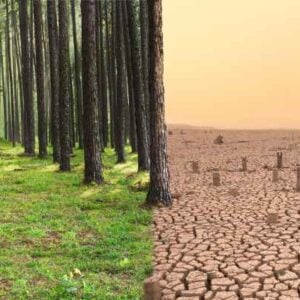
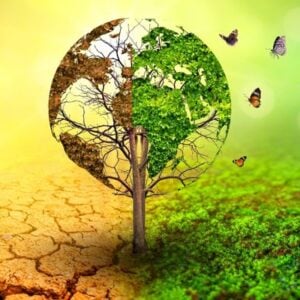
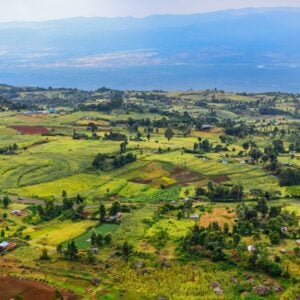
Over the last twenty years, Kenya has faced massive economic losses from extreme weather, including floods, mudslides, and droughts, amounting to trillions of dollars globally. In Nairobi County and other parts of the country, these disasters have repeatedly displaced families and destroyed livelihoods. Recent events highlight a pattern of climate-driven extremes, where heavy rainfall follows prolonged droughts, leaving urban areas flooded while rural communities struggle with water scarcity and crop failure. Kenya is thus experiencing two sides of the same climate crisis simultaneously.
The Kenyan government has recognized the need for climate adaptation, enacting laws, adopting a climate change action plan, regulating carbon markets, and establishing a strategy to reduce greenhouse gas emissions by 2050. However, financing these adaptation measures remains a major challenge. Collaboration between national and county governments, NGOs, and the private sector is essential to implement effective climate solutions without worsening existing problems. Research indicates that climate-friendly policies, environmentally conscious humanitarian responses, private sector engagement, reforestation, and community education are all critical to mitigating climate impacts.
With 80% of Kenya classified as arid or semi-arid, pressures on food and water security are severe, making adaptation vital for survival. Currently, about 3.3 million people require urgent humanitarian assistance due to climate-related drought. However, humanitarian interventions can unintentionally harm the environment, such as through deforestation for firewood, over-extraction of groundwater, or poorly planned sanitation facilities, which exacerbate climate risks and threaten public health.
Kenya faces a significant development finance gap, needing roughly US$62 billion between 2020 and 2030 for climate adaptation and mitigation, of which the government can only provide US$3.36 billion. International finance, investment, and technology transfer must fill the remainder, with US$15.8 billion expected from targeted mitigation and adaptation projects. Funding is intended to support vulnerable populations, strengthen early warning systems, enhance climate literacy, and enable communities to adopt resilient livelihoods. Effective distribution to county-level programs is critical, yet the link between national financing and local County Climate Change Funds remains weak.
A broader debate is necessary to prioritize long-term adaptation over short-term humanitarian relief, which often proves costlier. For instance, the current drought is projected to cost KES 4 billion (US$31 million) per month until conditions improve. While full adaptation will take time, humanitarian agencies must adopt climate-friendly practices immediately. Measures include green procurement, minimal and biodegradable packaging, careful site selection for refugee shelters, and energy-efficient cooking methods. The government should enforce environmental regulations to prevent aid from worsening ecological crises.
Sustainable climate financing, provided as grants rather than loans, is essential to reduce vulnerability and avoid increasing Kenya’s debt burden. If successfully implemented, these measures could strengthen resilience in regions such as Turkana and West Pokot, enabling communities to better cope with extreme weather and the ongoing climate emergency.