• Skip to primary navigation
  • Skip to main content
  • Skip to primary sidebar

fundsforNGOs News

Grants and Resources for Sustainability

  • Subscribe for Free
  • Premium Support
  • Premium Login
  • Premium Sign up
  • Home
  • Funds for NGOs
    • Agriculture, Food and Nutrition
    • Animals and Wildlife
    • Arts and Culture
    • Children
    • Civil Society
    • Community Development
    • COVID
    • Democracy and Good Governance
    • Disability
    • Economic Development
    • Education
    • Employment and Labour
    • Environmental Conservation and Climate Change
    • Family Support
    • Healthcare
    • HIV and AIDS
    • Housing and Shelter
    • Humanitarian Relief
    • Human Rights
    • Human Service
    • Information Technology
    • LGBTQ
    • Livelihood Development
    • Media and Development
    • Narcotics, Drugs and Crime
    • Old Age Care
    • Peace and Conflict Resolution
    • Poverty Alleviation
    • Refugees, Migration and Asylum Seekers
    • Science and Technology
    • Sports and Development
    • Sustainable Development
    • Water, Sanitation and Hygiene (WASH)
    • Women and Gender
  • Funds for Companies
    • Accounts and Finance
    • Agriculture, Food and Nutrition
    • Artificial Intelligence
    • Education
    • Energy
    • Environment and Climate Change
    • Healthcare
    • Innovation
    • Manufacturing
    • Media
    • Research Activities
    • Startups and Early-Stage
    • Sustainable Development
    • Technology
    • Travel and Tourism
    • Women
    • Youth
  • Funds for Individuals
    • All Individuals
    • Artists
    • Disabled Persons
    • LGBTQ Persons
    • PhD Holders
    • Researchers
    • Scientists
    • Students
    • Women
    • Writers
    • Youths
  • Funds in Your Country
    • Funds in Australia
    • Funds in Bangladesh
    • Funds in Belgium
    • Funds in Canada
    • Funds in Switzerland
    • Funds in Cameroon
    • Funds in Germany
    • Funds in the United Kingdom
    • Funds in Ghana
    • Funds in India
    • Funds in Kenya
    • Funds in Lebanon
    • Funds in Malawi
    • Funds in Nigeria
    • Funds in the Netherlands
    • Funds in Tanzania
    • Funds in Uganda
    • Funds in the United States
    • Funds within the United States
      • Funds for US Nonprofits
      • Funds for US Individuals
      • Funds for US Businesses
      • Funds for US Institutions
    • Funds in South Africa
    • Funds in Zambia
    • Funds in Zimbabwe
  • Proposal Writing
    • How to write a Proposal
    • Sample Proposals
      • Agriculture
      • Business & Entrepreneurship
      • Children
      • Climate Change & Diversity
      • Community Development
      • Democracy and Good Governance
      • Disability
      • Disaster & Humanitarian Relief
      • Environment
      • Education
      • Healthcare
      • Housing & Shelter
      • Human Rights
      • Information Technology
      • Livelihood Development
      • Narcotics, Drugs & Crime
      • Nutrition & Food Security
      • Poverty Alleviation
      • Sustainable Develoment
      • Refugee & Asylum Seekers
      • Rural Development
      • Water, Sanitation and Hygiene (WASH)
      • Women and Gender
  • News
    • Q&A
  • Premium
    • Premium Log-in
    • Premium Webinars
    • Premium Support
  • Contact
    • Submit Your Grant
    • About us
    • FAQ
    • NGOs.AI
You are here: Home / cat / NGOs Driving Change: Closing India’s Rural-Urban Education Divide

NGOs Driving Change: Closing India’s Rural-Urban Education Divide

Dated: March 24, 2026

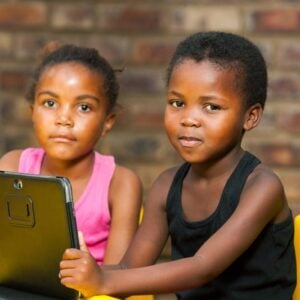
India has seen significant improvements in children’s education in recent years, yet the rural-urban education gap remains a pressing concern. While the Right to Education framework guarantees schooling for children aged 6 to 14, many rural schools still face challenges such as poor infrastructure, social biases, limited access to digital learning, and shortages of academic resources. According to UDISE+ 2024–25 data, of India’s 14.71 lakh schools, 12.10 lakh are in rural areas, but only 64.7% have computers and 63.5% have internet connectivity, leaving many children without access to modern learning tools.

The rural-urban education gap reflects differences not only in school locations and enrolment but also in the quality of education, availability of resources, and overall learning conditions. While basic facilities like electricity, drinking water, and toilets have improved, access to laboratories, libraries, transport, and digital tools remains limited. Teacher shortages are another challenge, with over 1 lakh single-teacher schools reported in 2024–25, affecting classroom learning and individualized attention. ASER 2024 data further highlights foundational learning gaps, showing that only 23.4% of Grade 3 students can read a Grade 2-level text and 33.7% can perform basic subtraction.

Several factors hinder access to quality education in rural India, including financial constraints, gender inequality, and limited exposure to learning beyond textbooks. Girls often face early marriage or household responsibilities, while many children cannot afford commuting or learning expenses. These overlapping challenges result in weaker learning outcomes, low confidence, and limited future opportunities.

NGOs play a crucial role in bridging this gap through community learning centres, remedial education, teacher training, digital learning, and holistic child development initiatives. Community centres provide safe spaces, after-school support, and structured remedial programmes. Organizations like Bal Raksha Bharat support remedial learning and catch-up programmes, helping children stay on track academically. Teacher training programmes focus on modern pedagogy, multilingual instruction, and practical teaching skills, enhancing classroom effectiveness.

Digital learning initiatives by NGOs include smart classrooms and STEM labs, providing rural students with interactive tools and exposure to modern educational technology. Beyond academics, NGOs support holistic development through scholarships, mentorship, life skills training, WASH initiatives, parent counselling, and community engagement, ensuring children continue learning in supportive environments.

NGO-led initiatives have shown measurable impact, including improved school participation, enhanced literacy, better arithmetic skills, and safer learning environments. Bal Raksha Bharat, for instance, has reached over 10 million children across India, offering early childhood care, school education support, teacher training, remedial programmes, and digital learning solutions. These interventions help rural students gain confidence and prepare for future opportunities.

Despite progress, the rural-urban education gap in India remains significant, requiring continued focus on infrastructure, teaching quality, and digital access. NGOs are critical in this transformation, supporting underprivileged children, strengthening rural schools, and promoting equal learning opportunities. By supporting organisations like Bal Raksha Bharat, individuals and corporates can contribute to building a more inclusive education system where every child has the chance to learn and succeed.

Related Posts

  • Akelius Digital Learning Programme Expands Inclusive Education in Egypt
  • Learning Poverty Crisis in Malawi Highlights Urgent Need for Education Reform
  • Barbados Modernizes Early Education with World Bank Support
  • Unlocking Human Security Through Digital Wallets
  • New Evidence from Gavi Hub Reveals Hidden Zero-Dose Immunisation Gaps

Primary Sidebar

Latest News

Linux Foundation Launches $12.5M Grants to Boost Open Source Innovation

Proposed NGO Funding Bill in Uganda Sparks Civil Society Backlash

NGOs Driving Change: Closing India’s Rural-Urban Education Divide

2026 HIV Political Declaration: Seeking Civil Society Support

New Ugandan Law Triggers Outcry Over NGO Funding

Ruling Coalition Drops Foreign-Funded NGO Law Proposal

Centre Proposes Tighter Monitoring of Foreign NGO Funding

Call for Proposals: Building Community Resilience to Climate Change

More Cubans Choosing to Stay in Latin America, Says IOM

Rights Group Condemns Attack on Ecuadorian Journalist

Children in Palestine Face Growing Mental Health Emergency: UN

Kyrgyzstan’s Progress in the Fight Against Tuberculosis

Climate Fund Managers Becomes a Member of the Climate Bonds Network

New Funding Supports Humanitarian Network

Open Technology Grants Highlight Research Versatility

Supporting the Fringe to Flourish in Edinburgh

Why Investing in Energy Infrastructure Matters

Collaboration Advances Sustainable Biopharma Manufacturing

Edinburgh Launches £350M Housing Development Framework

WSHA Secures Funding for Whiteinch Community Shop

Aberdeen Welcomes Key Anti-Poverty and Inequality Support

World TB Day 2026 Explained

Warwickshire Primary School Places Released 16 April

How Nonprofits Use Digital Marketing to Drive Donations

Nonprofits Leading Urban Revitalization Efforts

Innovative UGC Strategies for Nonprofits to Increase Donations

How Nonprofits Use Storytelling to Boost Donor Engagement

Government to Launch Plug-In Solar Within Months

Solomon Islands Communities Get Marine Pollution Training

Restrictive Laws Undermine Civil Society in the Americas

Call Grows for Norway to Halt Tommy Olsen Extradition

EU Celebrates One Year of Preparedness Union Strategy

Akshaya Patra Celebrates 5 Billion Meals at 25-Year Milestone

How Technology Is Transforming Nonprofits in Asia-Pacific

Devon County Council Opens £78M Minor Engineering Works Tender

Highmark Foundation Awards $1M to Expand Food for Mountaineers Program

UK £718bn Infrastructure Pipeline: Managing Rising Costs

2026 MENA Conflict Threatens Fintech Deals and Growth

Fintech at Risk: Iranian Cyber Attacks and Data Centre Strikes

How the 2026 Iran Conflict Is Disrupting Global Payments and Trade

Funds for NGOs
Funds for Companies
Funds for Media
Funds for Individuals
Sample Proposals

Contact us
Submit a Grant
Advertise, Guest Posting & Backlinks
Fight Fraud against NGOs
About us

Terms of Use
Third-Party Links & Ads
Disclaimers
Copyright Policy
General
Privacy Policy

Premium Sign in
Premium Sign up
Premium Customer Support
Premium Terms of Service

©FUNDSFORNGOS LLC.   fundsforngos.org, fundsforngos.ai, and fundsforngospremium.com domains and their subdomains are the property of FUNDSFORNGOS, LLC 1018, 1060 Broadway, Albany, New York, NY 12204, United States.   Unless otherwise specified, this website is not affiliated with the abovementioned organizations. The material provided here is solely for informational purposes and without any warranty. Visitors are advised to use it at their discretion. Read the full disclaimer here. Privacy Policy. Cookie Policy.