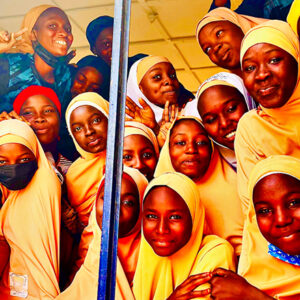
Learning poverty remains a major challenge across Sub-Saharan Africa, with an estimated 89% of children unable to read and understand a simple, age-appropriate text by the age of 10. In Malawi, this crisis is particularly evident, as many children attend school but still struggle to develop the basic reading skills needed to progress academically. This situation limits opportunities for young learners and creates barriers to their future potential.
Education plays a crucial role in shaping a child’s identity and perspective of the world. In schools, children do more than learn reading and writing; they also develop confidence and begin to understand that their ideas and voices matter. Quality education helps them connect their aspirations with real opportunities, making it an essential foundation for long-term personal and social development.
Teachers are central to this process. During childhood, which is a formative stage of life, educators help guide curiosity and encourage students to explore new ideas. Studies across African education systems show that strong teaching quality is closely linked to improved foundational learning outcomes. Beyond delivering knowledge, teachers influence students’ motivation, confidence, and ambitions, creating an impact that extends well beyond the classroom and contributes to the development of society as a whole.
Learning outside the classroom also plays an important role in a child’s development. Activities that expose students to real-world experiences help build confidence, strengthen emotional and social skills, and improve organization and teamwork abilities. Such experiences encourage problem-solving and critical thinking, which are important for both academic success and everyday life.
In January 2026, Malawi introduced universal free public secondary education, a policy aimed at expanding access to schooling and addressing the country’s high levels of learning poverty. The initiative demonstrates the government’s commitment to improving educational opportunities and ensuring more children can continue their studies.
Although reducing learning poverty will require sustained efforts and long-term reforms, this policy marks an important step toward strengthening Malawi’s education system. With improved access and better learning conditions, students in Malawi can develop the skills and confidence needed to succeed and contribute to future progress and innovation.