Strikes by the United States and Israel on Iran, followed by Iran’s retaliatory attacks across the region, have escalated the Middle East into its most serious open conflict in years. These developments stem from longstanding tensions between Iran and the US since the 1979 revolution, ongoing domestic unrest in Iran, and a deepening conflict with Israel that has involved drone and missile attacks, targeted strikes on military and nuclear facilities, and a series of proxy confrontations in Lebanon, Syria, and the Occupied Palestinian Territories. The latest strikes were publicly justified by US officials as pre-emptive measures against a potential Iranian attack and as a means to prevent Iran from acquiring nuclear weapons.
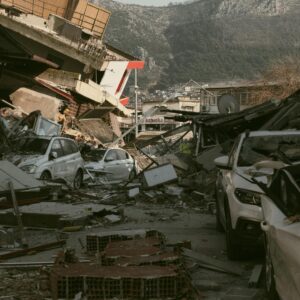
The conflict has already produced significant humanitarian consequences. Iran’s Supreme Leader, Ayatollah Ali Khamenei, was killed, along with other senior officials. Among the most tragic incidents, a bombing at a girls’ elementary school in Minab killed 165 children and injured dozens more. Iran has responded with missile and drone attacks across Israel, Bahrain, Kuwait, Qatar, the UAE, Jordan, Saudi Arabia, and the Strait of Hormuz, while Israeli counterstrikes in Lebanon killed 31 people in Beirut. The rapid escalation has grounded nearly all commercial flights, leaving hundreds of thousands of travellers stranded, and has prompted debates in the US over presidential powers in conducting military operations without congressional approval.
The UK has taken a cautious stance, condemning Iran’s regional attacks while allowing US forces to use a British airbase in Cyprus. Prime Minister Keir Starmer emphasized that the UK does not support regime change through military action, referencing lessons from the 2003 Iraq invasion. The UK’s approach highlights the tension between diplomatic restraint and operational support for allied actions.
Civilian casualties and humanitarian needs are already severe. Coordinated strikes across Iranian cities caused more than 200 deaths and hundreds of injuries within the first 24 hours, with the UN now estimating over 550 civilian deaths. Tehran and other densely populated areas have been major targets, and ongoing combat, flight suspensions, and port disruptions complicate aid delivery. UN agencies and human rights officials have called for restraint, warning of the escalating toll on civilians and infrastructure.
With no ceasefire in sight, the conflict continues to spread across multiple countries, raising serious concerns for further escalation. Diplomatic, humanitarian, and civil society engagement is urgently needed to mitigate civilian harm, maintain access to relief, and monitor the evolving situation, as the region faces an uncertain and potentially prolonged crisis.