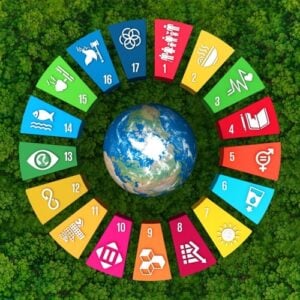
Since 2019, the United Nations Development Programme (UNDP) and Samsung have collaborated to accelerate progress toward the Sustainable Development Goals (SDGs) by empowering young people and leveraging digital technology. Through initiatives such as the Samsung Global Goals App and Generation17, the partnership has engaged nearly 400 million users worldwide, amplified youth voices in global discussions, and connected digital innovation with sustainable development efforts. In 2024, the partnership entered a new phase that focuses on translating global awareness into locally driven solutions led by young innovators.
One of the first initiatives under this new phase is being implemented in Sierra Leone through the Youth for Circularity 2030 program. The initiative places young people at the center of efforts to promote responsible consumption and production by encouraging innovative solutions related to the lifecycle of electronic devices. By bringing together universities, innovation clubs, and youth networks, the program aims to explore new ways of designing, using, repairing, reusing, and recycling electronic products. This approach highlights the role of youth-led innovation in addressing environmental challenges and advancing sustainable resource management.
In many countries, including Sierra Leone, electronic devices are often discarded even though they still contain valuable materials that could be reused or recycled. Youth for Circularity 2030 seeks to address this issue by equipping young people with the skills, mentorship, and platforms needed to develop practical circular economy solutions. Participants are encouraged to create prototypes, explore green entrepreneurship opportunities, and contribute to sustainable economic practices that reduce waste and maximize the value of existing resources.
The initiative also aligns with broader environmental efforts, including the UNDP–Global Environment Facility project aimed at reducing pollution and promoting zero-waste practices. By focusing on circular economy principles, the program supports Sierra Leone’s transition toward greener development while strengthening the country’s innovation ecosystem. Through hands-on learning opportunities such as Circular Innovation Clubs and connections to UNDP’s UNIPOD innovation hubs, university students can test and refine ideas while gaining practical experience in sustainable technology solutions.
For universities and students, the program offers an opportunity to bridge academic learning with real-world impact. Dedicated innovation spaces within universities allow students, entrepreneurs, and researchers to collaborate on developing and testing new ideas that support circular economy practices. Participants have described the program as a transformative experience that provides training, mentorship, and opportunities to expand innovative solutions within their communities.
Looking ahead, the initiative will expand its reach through regional collaboration, including a hackathon planned during the Africa Youth SDG Summit in June 2026. This event will bring together young innovators from across the continent to develop and share circular economy solutions, further strengthening Africa’s youth-led sustainability movement.
The project reflects the broader vision of the UNDP–Samsung partnership, which combines development expertise with technological innovation to address global challenges. By fostering collaboration between public institutions, private companies, and local communities, the partnership demonstrates how collective action can create meaningful progress. Through initiatives like Youth for Circularity 2030, young people are not only participating in sustainability discussions but are actively shaping solutions that contribute to a more sustainable and inclusive future.