• Skip to primary navigation
  • Skip to main content
  • Skip to primary sidebar

fundsforNGOs News

Grants and Resources for Sustainability

  • Subscribe for Free
  • Premium Support
  • Premium Login
  • Premium Sign up
  • Home
  • Funds for NGOs
    • Agriculture, Food and Nutrition
    • Animals and Wildlife
    • Arts and Culture
    • Children
    • Civil Society
    • Community Development
    • COVID
    • Democracy and Good Governance
    • Disability
    • Economic Development
    • Education
    • Employment and Labour
    • Environmental Conservation and Climate Change
    • Family Support
    • Healthcare
    • HIV and AIDS
    • Housing and Shelter
    • Humanitarian Relief
    • Human Rights
    • Human Service
    • Information Technology
    • LGBTQ
    • Livelihood Development
    • Media and Development
    • Narcotics, Drugs and Crime
    • Old Age Care
    • Peace and Conflict Resolution
    • Poverty Alleviation
    • Refugees, Migration and Asylum Seekers
    • Science and Technology
    • Sports and Development
    • Sustainable Development
    • Water, Sanitation and Hygiene (WASH)
    • Women and Gender
  • Funds for Companies
    • Accounts and Finance
    • Agriculture, Food and Nutrition
    • Artificial Intelligence
    • Education
    • Energy
    • Environment and Climate Change
    • Healthcare
    • Innovation
    • Manufacturing
    • Media
    • Research Activities
    • Startups and Early-Stage
    • Sustainable Development
    • Technology
    • Travel and Tourism
    • Women
    • Youth
  • Funds for Individuals
    • All Individuals
    • Artists
    • Disabled Persons
    • LGBTQ Persons
    • PhD Holders
    • Researchers
    • Scientists
    • Students
    • Women
    • Writers
    • Youths
  • Funds in Your Country
    • Funds in Australia
    • Funds in Bangladesh
    • Funds in Belgium
    • Funds in Canada
    • Funds in Switzerland
    • Funds in Cameroon
    • Funds in Germany
    • Funds in the United Kingdom
    • Funds in Ghana
    • Funds in India
    • Funds in Kenya
    • Funds in Lebanon
    • Funds in Malawi
    • Funds in Nigeria
    • Funds in the Netherlands
    • Funds in Tanzania
    • Funds in Uganda
    • Funds in the United States
    • Funds within the United States
      • Funds for US Nonprofits
      • Funds for US Individuals
      • Funds for US Businesses
      • Funds for US Institutions
    • Funds in South Africa
    • Funds in Zambia
    • Funds in Zimbabwe
  • Proposal Writing
    • How to write a Proposal
    • Sample Proposals
      • Agriculture
      • Business & Entrepreneurship
      • Children
      • Climate Change & Diversity
      • Community Development
      • Democracy and Good Governance
      • Disability
      • Disaster & Humanitarian Relief
      • Environment
      • Education
      • Healthcare
      • Housing & Shelter
      • Human Rights
      • Information Technology
      • Livelihood Development
      • Narcotics, Drugs & Crime
      • Nutrition & Food Security
      • Poverty Alleviation
      • Sustainable Develoment
      • Refugee & Asylum Seekers
      • Rural Development
      • Water, Sanitation and Hygiene (WASH)
      • Women and Gender
  • News
    • Q&A
  • Premium
    • Premium Log-in
    • Premium Webinars
    • Premium Support
  • Contact
    • Submit Your Grant
    • About us
    • FAQ
    • NGOs.AI
You are here: Home / cat / Transparent Communication Drives Higher Vaccine Uptake: Study

Transparent Communication Drives Higher Vaccine Uptake: Study

Dated: February 27, 2026

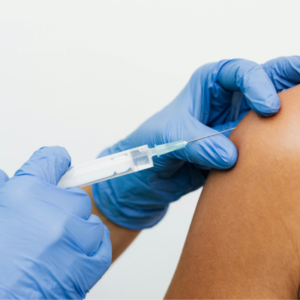
New research published in The Lancet highlights that delivering clear, timely, and transparent information is essential for encouraging populations to embrace vaccination campaigns, particularly during health crises like the COVID-19 pandemic. The study tracked individuals over time, examining not only their initial reasons for vaccine hesitancy but also whether they ultimately received a vaccination, providing unique insight into the dynamics between hesitancy and actual uptake.

The research analysed data from over 1.1 million participants in the Real-time Assessment of Community Transmission (REACT) studies in England. Of these, 37,982 people (3.3%) reported vaccine hesitancy, with rates peaking at 8% early in 2021 during the start of the vaccine roll-out. Hesitancy declined to 1.1% at the start of 2022 but rose slightly to 2.2% after the Omicron surge. Many early concerns were tied to the novelty of COVID-19 and the use of new mRNA vaccine technology.

The study revealed that a significant majority of initially hesitant individuals went on to receive a vaccination: 65% of the 24,229 hesitant participants who consented to data linkage ultimately received one or more doses. Hesitancy was often context-specific, reflecting worries about vaccine effectiveness, side effects, fertility, and breastfeeding. These concerns decreased over time, likely due to accumulating evidence and reassuring information.

The analysis also showed that vaccine sentiment is dynamic. Some hesitant individuals later accepted vaccination, while others remained unvaccinated, with persistent hesitancy linked to prior COVID-19 infection, lower education levels, and socio-economic deprivation. Patterns varied by demographic: older adults who expressed hesitancy were more likely to remain unvaccinated, whereas women were initially more hesitant but often chose vaccination later, reflecting temporary concerns such as pregnancy or breastfeeding.

The findings underscore that transparent and timely communication is crucial for successful vaccine campaigns. Targeted outreach and clear messaging can address specific community concerns, particularly among higher-risk groups. For future pandemics, the study emphasizes investing in effective communication strategies to ensure widespread, non-selective vaccination uptake.

Overall, the research highlights that hesitancy is not uniform and that population behaviors differ, even within a single country. Careful, evidence-based information delivery can positively influence public perception and vaccination decisions, offering lessons for both current and future public health campaigns.


Related Posts

  • Closing Immunity Gaps in Enugu Through Independent Child Health Monitors
  • Angola and Namibia Launch Synchronized Polio Campaign Along Border
  • PAHO Delivers 234 Million Vaccines in Americas 2025
  • Zimbabwe Rejects US Health Aid Deal Over Data Concerns
  • Colorful coral reef teeming with marine life in ocean.
    UNESCO's Ocean Observation Initiative: A Call to Save Our Planet's Heartbeat

Primary Sidebar

Latest News

Lebanon Sees Surge in Psychological Distress, IRC Steps Up Aid

China Pledges $1.1M for WTO Accession and LDC Support

Circular Economy in Argentina’s Producers Network

Shaping Community Health: Mental Health Perspectives

15 Countries Join Panama Workshop to Strengthen Avian Flu Monitoring in the Americas

Adapting Climate Finance in China: Lessons from Mitigation

Georgia Public Health Review: Insights from Four States

Aid Agencies Warn: Millions Displaced, Funding at Risk

Parametric Flood Insurance Now Protects Lagos Residents

GBFF Launches $73M Global Biodiversity Projects

João Varela Women’s Strength Embodied by Isabel

WHO Supports Mauritius in Health Labour Market Analysis

DRC Promotes Inclusion for People Affected by Leprosy

Angola Launches Polio Vaccination for 9 Million Children

Ensuring Safe Food in Cameroon

Advancing Refugee and Migrant Health: Key Policy Updates

Ghana’s Ci Gaba Fund Secures $34.9M to Boost West African SMEs

EIB funds Stockholm project to cut wastewater pollution in Baltic Sea

Slovakia: EIB lends €150M to ČSOB Leasing for SME green investments

Exabler Secures £500,000 from Digital Catapult

Online Gender-Based Violence Rising in Palestine

Yemen Faces Famine After 11 Years of Crisis

Londoners Get New Support Ahead of Renters’ Rights Act

Nigeria, GPE Convene Private Sector Roundtable on Education Funding

Rural Youth in Zimbabwe Tackle Period Poverty

Financial Support for Clean Cooking in 100 Access-Deficit Countries

Networking for Climate Policy, Finance and Peace

Czech Public Media Funding Reform Faces International Criticism

US Global Health Funding Cuts Called International Public Health Emergency

Compass Adds R&D Funding Data for Women’s Health and Emerging Diseases

Affordable Finance Key to Scaling Clean Cooking Solutions

Nigeria Maiduguri Bombings Highlight New Threat to Civilians

Middle East Conflict: Violations of the Laws of War Intensify

India’s Transgender Rights Bill Called a Huge Setback

European Parliament Approves New EU Deportation Plans

Landmark US Ruling Pressures YouTube and Meta on Online Safety

Minister Anand Announces New Canada Sanctions Against Iran

Canada Announces $738.9M for First Nations Health and Governance

Canada Supports Black Entrepreneurs in Saskatchewan

Canada Boosts Housing Supply to Improve Affordability

Funds for NGOs
Funds for Companies
Funds for Media
Funds for Individuals
Sample Proposals

Contact us
Submit a Grant
Advertise, Guest Posting & Backlinks
Fight Fraud against NGOs
About us

Terms of Use
Third-Party Links & Ads
Disclaimers
Copyright Policy
General
Privacy Policy

Premium Sign in
Premium Sign up
Premium Customer Support
Premium Terms of Service

©FUNDSFORNGOS LLC.   fundsforngos.org, fundsforngos.ai, and fundsforngospremium.com domains and their subdomains are the property of FUNDSFORNGOS, LLC 1018, 1060 Broadway, Albany, New York, NY 12204, United States.   Unless otherwise specified, this website is not affiliated with the abovementioned organizations. The material provided here is solely for informational purposes and without any warranty. Visitors are advised to use it at their discretion. Read the full disclaimer here. Privacy Policy. Cookie Policy.