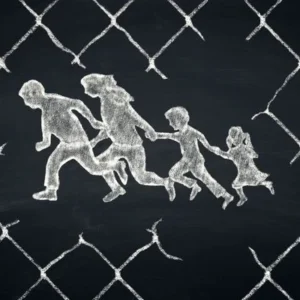
Over the past four years, the World Food Programme (WFP), with funding from the European Union (EU), has played a crucial role in supporting vulnerable Ukrainian refugees in the Republic of Moldova, alongside the Moldovan families and communities hosting them. Since the escalation of the war in Ukraine in 2022, Moldova has received more than two million Ukrainian refugees, with nearly 150,000 remaining in the country as of December 2025. This prolonged displacement has placed sustained pressure on Moldova’s public services, compounded by energy and economic challenges resulting from the war.
Throughout this period, WFP, supported by the EU and other donors, has provided more than 7.6 million hot meals to refugees across 102 Refugee Accommodation Centres, assisting over 18,000 individuals navigating extended displacement and financial uncertainty. Simultaneously, nearly 21,000 Moldovan host households received cash assistance, enabling them to manage increased costs while accommodating over 58,000 refugees. Surveys indicate that eight out of ten Moldovan households would have struggled to host refugees without this support. Refugees in accommodation centres benefited from diverse and nutritious meals, ensuring access to a well-balanced diet.
The partnership between WFP and the EU reflects a commitment to both meeting immediate humanitarian needs and reinforcing Moldova’s capacity to respond to future crises. WFP facilitates coordination between humanitarian and development actors, aligning technical support with national priorities and strengthening the Ministry’s ability to sustainably integrate refugees. This dual focus provides not only food and financial aid but also stability and comfort for those affected by displacement.
Beyond direct assistance, WFP has contributed to strengthening Moldova’s social protection system by transitioning the humanitarian digital registration platform to government ownership. Integration with state databases now enables more accurate targeting, enhanced transparency, and improved coordination. WFP has also provided technical expertise in beneficiary management, cash-based transfers, and shock-responsive social protection, supporting reforms aligned with Moldova’s EU accession pathway.
WFP’s work in Moldova demonstrates a successful shift from emergency response toward long-term system strengthening, ensuring lasting impact beyond immediate humanitarian aid. The sustained collaboration with the EU has enabled Moldova to deliver timely, effective support to refugees and host communities while reinforcing national capacity to respond to future shocks.