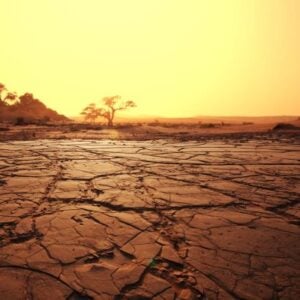
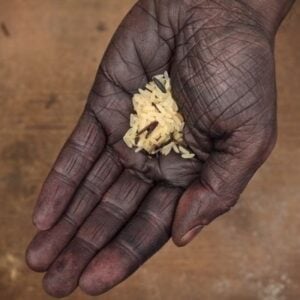
Nearly 6.5 million people in Somalia are facing high levels of hunger, with over 1.8 million children at risk of acute malnutrition, as drought conditions continue to devastate the country, according to a report from the Somali government and UN agencies. The Integrated Food Security Phase Classification (IPC) projects that a third of the population will face crisis or worse levels of hunger by March 2026, including two million people in Emergency conditions (IPC Phase 4). The worsening drought has led to widespread crop failures, livestock losses, and large-scale displacement.
Humanitarian coordinator George Conway highlighted the urgency of the situation, noting soaring water prices, dwindling food supplies, and minimal humanitarian funding. Current assistance is limited, forcing aid agencies to reduce rations and scale back life-saving support in food, nutrition, health, and water and sanitation services. While the Gu rains expected from April to June may provide some relief, the crisis is projected to remain severe, with food insecurity and malnutrition rates worsening through March.
The drought is linked to below-average rainfall during the Deyr season (October–December 2025) and the ongoing dry Jilaal season (January–March 2026). Crop yields, particularly cereals in southern Somalia, are 83 percent below the long-term average, and livestock conception and birth rates are significantly lower than normal. The Somalia Disaster Management Agency emphasized that climate shocks, displacement, and declining humanitarian funding are pushing vulnerable communities beyond their coping capacity, calling for urgent international support.
Child health conditions remain dire, with limited access to healthcare services and outbreaks of cholera, measles, and diphtheria affecting southern and central regions. Despite having the expertise to respond effectively, humanitarian agencies are constrained by funding shortfalls. The Somali government and UN agencies have appealed for immediate, multi-sectoral interventions, including scaled-up food assistance, malnutrition prevention and treatment, social protection, and early warning systems.
The funding requirement to sustain life-saving assistance in Somalia for 2026 is $852 million. Sustained and flexible funding is critical to prevent further deterioration, protect vulnerable populations, and safeguard the gains made in humanitarian response.