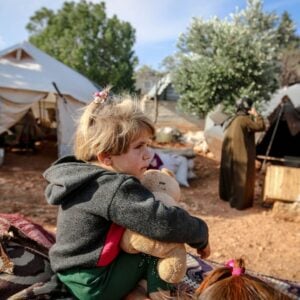
About six months after a devastating earthquake struck eastern Afghanistan, approximately 25,000 children in Kunar province are still living in tents, as homes and schools remain unrepaired and no reconstruction timeline has been established, according to Save the Children. The earthquake on 31 August 2025 killed more than 2,000 people and destroyed or damaged over 8,000 homes, forcing families into temporary shelters, many of which were further compromised by heavy snowfall in the mountainous region. Families rely on wood or coal-burning stoves for warmth, creating significant fire risks, while the scale of destruction in some villages is so extensive that reconstruction may never be possible.
The disaster also caused severe damage to education infrastructure, with over half of nearly 1,300 classrooms assessed being completely or partially destroyed. Even before the earthquake, nearly 50,000 primary school-aged children in Kunar were out of school, making the province particularly vulnerable. Construction of new classrooms has yet to begin, and roughly 17,000 children are attending temporary learning spaces across the affected areas. Maria, a 12-year-old student, shared how the temporary classrooms provided her with a chance to read and write—opportunities that were unavailable in her village, where classes were often held outdoors and disrupted by weather conditions.
Over 6,000 families in Kunar continue to rely on humanitarian aid after losing both homes and livelihoods. Prior to the earthquake, families earned between US$75-120 per month through agriculture, livestock, and small-scale home-based work. Now, cash assistance is their primary source of income. Bujar Hoxha, Save the Children’s Country Director in Afghanistan, emphasized the urgent need for sustained funding, warning that without it, affected communities risk being left behind amid growing humanitarian demands across the country.
The need for aid in eastern Afghanistan remains high, especially as 2025 saw more than 2.9 million Afghans returning from Iran and Pakistan, with many settling in regions devastated by the earthquake. UN estimates indicate that around 4.2 million people across Afghanistan require shelter support this year. Save the Children has been providing immediate assistance in Kunar, establishing 30 temporary learning spaces for nearly 1,500 children and delivering healthcare, water and sanitation services, shelter, hygiene kits, multipurpose cash support, and psychosocial care for children.
Since the earthquake, Save the Children has supported nearly 89,000 people in Kunar, including approximately 34,000 children. Operating in Afghanistan since 1976, the organization runs programs in nine provinces and partners with initiatives in eleven more, delivering services that cover health, nutrition, education, child protection, shelter, water, sanitation, hygiene, and livelihoods. The ongoing crisis underscores the urgent need for coordinated and sustained support to rebuild lives, homes, and schools for the children and families most affected by the disaster.