The updated joint Rapid Damage and Needs Assessment (RDNA5), issued by the Government of Ukraine, the World Bank Group, the European Commission, and the United Nations, highlights the scale of reconstruction required as the full-scale Russian invasion enters its fifth year. The assessment reports that direct damage in Ukraine has now surpassed $195 billion, up from $176 billion in the previous evaluation, underscoring the immense challenges facing the country. UN Secretary-General Antonio Guterres described the war as a threat to regional and international peace and reiterated the urgent need for a full and unconditional ceasefire.
RDNA5 covers the period from February 2022 to December 2025 and aligns with ongoing reform and investment initiatives tied to Ukraine’s EU accession process. The sectors with the highest recovery and reconstruction needs are transport, energy, and housing, requiring over $96 billion, nearly $91 billion, and almost $90 billion respectively. The commerce and industry sector requires approximately $63 billion, while agriculture needs exceed $55 billion. Explosives hazard management and debris clearance will cost nearly $28 billion, despite progress in surveying and demining operations.
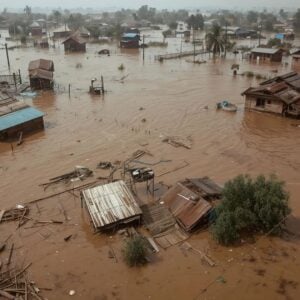
The energy and transport sectors have suffered significant setbacks, with Russia intensifying attacks, particularly amid harsh winter conditions. Energy infrastructure damage has increased by roughly 21 percent since the last assessment, while transport sector needs have risen around 24 percent due to attacks on railways and ports. Housing has also been severely affected, with 14 percent of homes damaged or destroyed, leaving over three million households impacted. Despite these challenges, World Bank Managing Director Anna Bjerde praised Ukraine’s resilience and the determination of its people and institutions to continue recovery efforts.
RDNA5 emphasizes the crucial role of the private sector in Ukraine’s reconstruction. Mobilizing both domestic and international private investment will require sustained reforms, including improvements to the business environment, enhanced competition, expanded access to finance, and alignment with EU green and digital standards. EU Commissioner for Enlargement Marta Kos reaffirmed the EU’s commitment to supporting Ukraine’s reconstruction through private investment and policy reforms aimed at bringing the country closer to EU membership.
The assessment also highlights the importance of a people-centered recovery approach. UN Resident and Humanitarian Coordinator Matthias Schmale stressed that refugee return, veteran reintegration, and women’s participation in the labor force will be as critical to economic recovery as capital flows and infrastructure rebuilding. RDNA5 notes that authorities, with support from development partners, are implementing recovery priorities for 2026, including funding for destroyed housing, demining, and multisector economic support programs totaling over $15 billion.
Since the beginning of the conflict, at least $20 billion in urgent repairs and early recovery activities have been carried out in essential sectors such as housing, energy, education, and transport. Prime Minister Yulia Svyrydenko highlighted the resilience of Ukrainians and entrepreneurs, emphasizing that despite unprecedented attacks on infrastructure, the country continues to recover and develop with support from the UN and international partners.