Haiti is facing a deepening security, humanitarian, and governance crisis as armed gangs expand their control across large parts of the capital, Port-au-Prince, and surrounding areas. Entire neighborhoods are under gang dominance, forcing families to flee and severely restricting access to schools, healthcare, and other essential services. As poverty intensifies and state presence remains limited, children are becoming increasingly vulnerable to recruitment by criminal groups seeking to strengthen their ranks.
At least 26 gangs operate in and around Port-au-Prince, violently controlling territory, extorting communities, and clashing with overstretched Haitian security forces. As confrontations escalate, these groups rely on a steady flow of new recruits, including minors, to maintain power. According to the United Nations Children’s Fund, there has been an alarming increase in the systematic recruitment of children into gangs. Minors are often targeted because they are easier to manipulate and less likely to attract suspicion. Testimonies from former child recruits describe how gangs use drugs, money, and promises of belonging to lure children into violent activities.
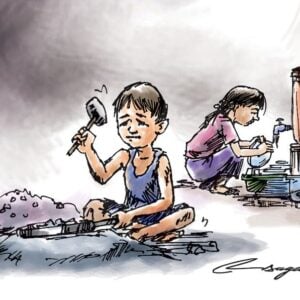
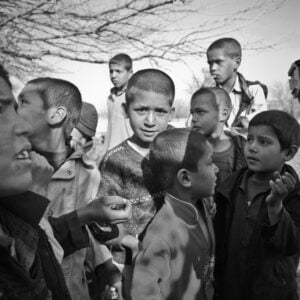
Structural factors are driving the surge in child recruitment. Nearly 45 percent of Haiti’s population is under 18, and many young people face hunger, school closures, displacement, and economic desperation. In gang-controlled areas, armed groups can appear to offer income, protection, or status where state institutions fail to provide opportunities. Some children join voluntarily due to extreme poverty, while others are coerced or forcibly recruited. Family separation and displacement further increase the risk, leaving minors without stable support systems.
Within gangs, children are assigned various roles, including lookouts, messengers, and informants, exploiting their age and ability to move unnoticed. Many are also directly involved in armed violence, kidnappings, and checkpoints. Girls face heightened dangers, including sexual exploitation, abuse, and forced relationships with gang members. The consequences are severe and long-lasting, with children exposed to trauma, disrupted education, social stigma, and ongoing threats that make reintegration into society extremely difficult.
In response, the UN is calling for a comprehensive approach that goes beyond security measures. Strengthening child protection systems, restoring access to education, and supporting families—particularly female-headed households—are seen as essential steps to prevent recruitment. Schools play a crucial role in offering both education and protection, and efforts are underway to rehabilitate facilities, establish temporary learning spaces, provide school meals, and offer cash assistance to vulnerable families.
Local organizations, supported by the UN, are also implementing vocational training programmes to create alternative livelihoods for young people. At the same time, efforts to curb gang expansion remain a priority. The UN-backed Gang Suppression Force, established in 2025 with a mandate of 5,000 personnel, is expected to help address insecurity, while initiatives to strengthen Haiti’s justice system aim to combat child trafficking and hold perpetrators accountable. Without sustained and coordinated action, however, the cycle of violence and child exploitation risks becoming further entrenched in Haitian society.