The International Organization for Migration (IOM), the UN Environment Programme (UNEP), and Iraqi national authorities have officially handed over a newly constructed wetland in Thi Qar, southern Iraq, designed to tackle pollution and drought. The project directly benefits 30,000 local residents by providing effective wastewater treatment while offering a sustainable, nature-based solution for climate adaptation, pollution management, biodiversity preservation, and environmental protection.
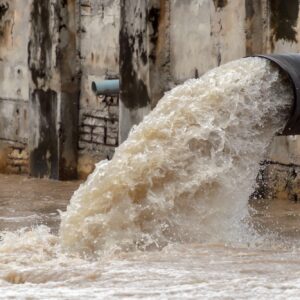
Southern Iraq is increasingly affected by environmental pressures, including population growth, prolonged drought, desertification, water scarcity, and biodiversity loss. Untreated sewage has been discharged into rivers and marshlands, threatening public health, livelihoods, and fragile ecosystems. The wetland aims to alleviate these challenges while supporting the region’s climate resilience.
The handover ceremony included representatives from IOM, UNEP, Iraq’s Ministry of Water Resources, the Governor’s Office of Thi Qar, the Thi Qar Directorate of Sewerage, and other partners. National authorities will now manage and maintain the wetland as part of ongoing local water management efforts. Minister of Water Resources Aoun Diab Abdullah highlighted the wetland as a cost-effective, easy-to-maintain solution that improves water quality, protects public health, creates habitats supporting biodiversity, and addresses climate challenges.
With support from the Swedish International Development Cooperation Agency, IOM and UNEP implemented the wetland in partnership with local authorities to address environmental challenges, reduce climate-induced displacement risks, and safeguard Iraq’s cultural heritage. Pascal Reyntjens, IOM Iraq Chief of Mission, emphasized that nature-based solutions like this provide communities with the means to stay in their homes and sustain their livelihoods rather than being forced to migrate.
The wetland treats up to 4,000 cubic meters of wastewater daily through sedimentation and natural filtration in reed beds, significantly improving water quality before release into the marshlands. Monitoring shows major reductions in pollutants and pathogens, while restoring conditions that support biodiversity and aquatic life. UNEP Director Susan Gardner noted that the project demonstrates how nature-based solutions can enhance water availability and support sustainable development, emphasizing the collaborative efforts of national partners, UNEP, and IOM.
The project aligns with Iraq’s national priorities for sustainable water management and contributes to its Nationally Determined Contributions and National Adaptation Plan. It offers a scalable model for smaller towns and rural areas where conventional infrastructure is costly or hard to maintain. Operating with minimal energy, relying on local skills, and creating opportunities for water reuse in agriculture, the wetland supports long-term livelihoods, mitigates displacement risks, and improves public health.
The handover marks a crucial step in ensuring the wetland’s long-term sustainability, integrating nature-based wastewater treatment into Iraq’s broader climate adaptation and water management strategies, and providing a replicable example of resilient, community-focused environmental solutions.