• Skip to primary navigation
  • Skip to main content
  • Skip to primary sidebar

fundsforNGOs News

Grants and Resources for Sustainability

  • Subscribe for Free
  • Premium Support
  • Premium Login
  • Premium Sign up
  • Home
  • Funds for NGOs
    • Agriculture, Food and Nutrition
    • Animals and Wildlife
    • Arts and Culture
    • Children
    • Civil Society
    • Community Development
    • COVID
    • Democracy and Good Governance
    • Disability
    • Economic Development
    • Education
    • Employment and Labour
    • Environmental Conservation and Climate Change
    • Family Support
    • Healthcare
    • HIV and AIDS
    • Housing and Shelter
    • Humanitarian Relief
    • Human Rights
    • Human Service
    • Information Technology
    • LGBTQ
    • Livelihood Development
    • Media and Development
    • Narcotics, Drugs and Crime
    • Old Age Care
    • Peace and Conflict Resolution
    • Poverty Alleviation
    • Refugees, Migration and Asylum Seekers
    • Science and Technology
    • Sports and Development
    • Sustainable Development
    • Water, Sanitation and Hygiene (WASH)
    • Women and Gender
  • Funds for Companies
    • Accounts and Finance
    • Agriculture, Food and Nutrition
    • Artificial Intelligence
    • Education
    • Energy
    • Environment and Climate Change
    • Healthcare
    • Innovation
    • Manufacturing
    • Media
    • Research Activities
    • Startups and Early-Stage
    • Sustainable Development
    • Technology
    • Travel and Tourism
    • Women
    • Youth
  • Funds for Individuals
    • All Individuals
    • Artists
    • Disabled Persons
    • LGBTQ Persons
    • PhD Holders
    • Researchers
    • Scientists
    • Students
    • Women
    • Writers
    • Youths
  • Funds in Your Country
    • Funds in Australia
    • Funds in Bangladesh
    • Funds in Belgium
    • Funds in Canada
    • Funds in Switzerland
    • Funds in Cameroon
    • Funds in Germany
    • Funds in the United Kingdom
    • Funds in Ghana
    • Funds in India
    • Funds in Kenya
    • Funds in Lebanon
    • Funds in Malawi
    • Funds in Nigeria
    • Funds in the Netherlands
    • Funds in Tanzania
    • Funds in Uganda
    • Funds in the United States
    • Funds within the United States
      • Funds for US Nonprofits
      • Funds for US Individuals
      • Funds for US Businesses
      • Funds for US Institutions
    • Funds in South Africa
    • Funds in Zambia
    • Funds in Zimbabwe
  • Proposal Writing
    • How to write a Proposal
    • Sample Proposals
      • Agriculture
      • Business & Entrepreneurship
      • Children
      • Climate Change & Diversity
      • Community Development
      • Democracy and Good Governance
      • Disability
      • Disaster & Humanitarian Relief
      • Environment
      • Education
      • Healthcare
      • Housing & Shelter
      • Human Rights
      • Information Technology
      • Livelihood Development
      • Narcotics, Drugs & Crime
      • Nutrition & Food Security
      • Poverty Alleviation
      • Sustainable Develoment
      • Refugee & Asylum Seekers
      • Rural Development
      • Water, Sanitation and Hygiene (WASH)
      • Women and Gender
  • News
    • Q&A
  • Premium
    • Premium Log-in
    • Premium Webinars
    • Premium Support
  • Contact
    • Submit Your Grant
    • About us
    • FAQ
    • NGOs.AI
You are here: Home / cat / Sustainable Agave Farming Revives Oaxaca’s Dry Forests and Ecosystems

Sustainable Agave Farming Revives Oaxaca’s Dry Forests and Ecosystems

Dated: February 19, 2026

Oaxaca’s dry forests are ecosystems uniquely adapted to extreme conditions, enduring prolonged periods without rain by shedding leaves and storing water in deep roots. This resilience contributes to Oaxaca’s standing as one of Mexico’s most biodiverse states, with its dry forests hosting the country’s largest variety of reptiles and amphibians and 722 plant species found nowhere else on Earth.

However, these tropical dry forests face mounting pressures from unsustainable land use, making them among the most degraded ecosystems globally. In Mexico, over 70 per cent of such forests have already been lost or transformed for agriculture, threatening biodiversity and the livelihoods of nearly 11 million people affected by land degradation.

Agave cultivation in Oaxaca’s Central Valleys has long shaped both the landscape and local livelihoods, underpinning the production of mezcal. The global surge in demand for mezcal over the last decade led to rapid expansion of agave production, which in some areas caused unsustainable land-use practices, monocultures, and forest loss. Between 1995 and 2022, agave plantations accounted for 62 per cent of forest loss in certain parts of Oaxaca. Despite these challenges, Oaxaca produced over 90 per cent of Mexico’s mezcal in 2023, highlighting the region’s economic dependence on agave.

Local producers have observed the environmental impacts of intensive agave cultivation. Gladys Sanchez, an agave farmer and member of the women’s collective Las Guardianas des Mezcal, noted that forest clearance for agave plots has had significant ecological consequences. Las Guardianas and similar collectives now advocate for sustainable land-use practices, supporting local producers in restoring degraded landscapes and promoting environmentally responsible agave production.

A project funded by the Global Environment Facility, led by UNEP and implemented by Pronatura Sur, provides training, legal support, business planning, and marketing assistance to producer collectives. Through agroforestry, soil and water conservation, and the use of native species, 157 producers have strengthened sustainable land management and restored agave ecosystems. Changes in production practices include reusing water, using dead wood for distillation, and leaving some agave plants to flower and seed, supporting natural regeneration.

Community-led restoration initiatives have established protected areas, planted native species, built water retention structures, and installed wooden perches to encourage seed-dispersing wildlife. These efforts have improved habitats, supported rich biodiversity—including felines, over 90 bird species, and key pollinators—and enhanced ecosystem resilience.

The project contributes to Mexico’s commitment to restoring 30 per cent of degraded land by 2030 and 50 per cent by 2050, in line with global targets under the UN Convention to Combat Desertification. For farmers and mezcal producers, restored dry forests ensure sustainable livelihoods while preserving Oaxaca’s biodiversity. UNEP emphasizes that recovery in both agave cultivation and forest ecosystems is gradual, requiring long-term commitment to build resilience for communities and nature alike.


Related Posts

  • Bezos Earth Fund Advances 30x30 Goal with $10B Commitment
  • Young Pastoralists Lead Sustainable Rangeland Development in IYRP 2026
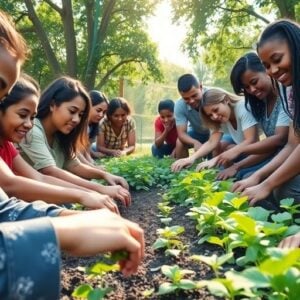
  • Community members working together in a vibrant garden.
    Innovative Faith: Opus Prize Laureates Inspire Local Solutions to Poverty and Injustice
  • How Water Management Drives Sustainable Economic Development
  • AU Drives Continental Water and Sanitation Initiative for Sustainable Development

Primary Sidebar

Latest News

Lebanon Launches Project to Distribute 1.5 Million Vegetable Seedlings for Food Security

G7 Highlights Urgent Need for Collective Action to Prevent Ebola Spread

Building Green Skills for the Future of Work in South Asia

Global Food Security Under Pressure: Key Market Risks for 2026

South Asia’s $700 Billion Food Economy Faces a Value Creation Challenge

Financing Gap Threatens Growth of Africa’s Most Promising Startups

South Africa Records Historic Agricultural Trade Surplus of $1.55 Billion in Q1 2026

Tanzania Reduces EV Import Duties and Expands Natural Gas Tax Breaks

Cryptocurrency Businesses in Zimbabwe Face Mandatory Annual Registration

PROMOTE 2026 Showcases Growing US Investment Opportunities in Cameroon

Mission 300 Connects Over 50 Million People to Electricity Across Africa

IFRC and Red Cross Scale Up Ebola Response in DRC and Uganda

EIB Supports Egypt’s Vaccine Manufacturing Expansion with Technical Assistance for Vacsera

EIB Completes €250 Million Financing for Baltic Region’s Largest Wind Farm in Lithuania

World Bank Group Backs Argentina Reforms with $2 Billion Financing Package

Myanmar Economy Shows Signs of Stabilisation Despite Rising Fuel Costs

Myanmar Economy Shows Signs of Stabilisation but Faces Growing Fuel Pressures

World Bank Group Launches Second Emerging Markets CLO to Boost Private Capital and Jobs

CARE Organises Community Effort to Support Disaster-Affected Families

New Seawall Completed to Protect Golden Beach Foreshore in Queensland

UN Warns Refugee Resettlement Opportunities Falling Short of Global Needs

UN Calls for Urgent Action in Yemen as Hunger Crisis Deepens

EBRD and Valu Partner to Expand Green Finance Solutions in Egypt

UNESCO Advances Global Strategy for Sustainable Ocean Planning and Management

EU and UNESCO Launch Global Alliance to Strengthen Ocean Observation

ILO Adopts New Global Convention to Protect Platform Workers in Digital Economy

Philippines Launches Green Skills Training to Prepare Future Construction Workforce

New Zealand Announces $14.5 Million Support Package for People Experiencing Homelessness

New Zealand Invests $14.1 Million to Protect Endangered Wildlife Through Predator Control

New Zealand Boosts Wasp Control Efforts with $2 Million Conservation Funding

New Zealand Reviews Fire and Emergency Funding System to Improve Future Sustainability

Growing Hope Through Sustainable Farming and Food Security Initiatives in Africa

Bihar to Establish Integrated Aqua Park and NFDB Centre to Boost Inland Fisheries

India and France Launch ATL Bridge to Boost Student Innovation Collaboration

India to Build Technology Centre in Gaya to Boost MSME Manufacturing and Skills

Ireland Announces Funding for Cross-Border Greenways to Boost Sustainable Travel and Tourism

Ireland Launches €1 Billion Housing Fund to Unlock More Than 200,000 New Homes

California High-Speed Rail Costs Surge as Morocco’s Rail Success Raises Questions About Project Delivery

Seven Ways to Restore Land, Fight Desertification, and Build Climate Resilience

Countries Turn Global Chemical Safety Goals Into Local Action Through Stronger Systems

Funds for NGOs
Funds for Companies
Funds for Media
Funds for Individuals
Sample Proposals

Contact us
Submit a Grant
Advertise, Guest Posting & Backlinks
Fight Fraud against NGOs
About us

Terms of Use
Third-Party Links & Ads
Disclaimers
Copyright Policy
General
Privacy Policy

Premium Sign in
Premium Sign up
Premium Customer Support
Premium Terms of Service

©FUNDSFORNGOS LLC.   fundsforngos.org, fundsforngos.ai, and fundsforngospremium.com domains and their subdomains are the property of FUNDSFORNGOS, LLC 1018, 1060 Broadway, Albany, New York, NY 12204, United States.   Unless otherwise specified, this website is not affiliated with the abovementioned organizations. The material provided here is solely for informational purposes and without any warranty. Visitors are advised to use it at their discretion. Read the full disclaimer here. Privacy Policy. Cookie Policy.