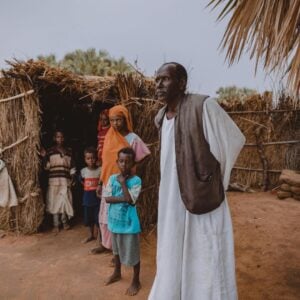
UNHCR, the UN Refugee Agency, alongside 123 partners, has launched an urgent appeal for $1.6 billion to provide life-saving assistance and improved support to 5.9 million people affected by the Sudan conflict across seven neighbouring countries by the end of 2026. The 2026 Sudan Regional Refugee Response Plan (RRRP) will focus on aiding an estimated 470,000 new refugees expected this year, as well as thousands more who remain in border areas and have received minimal assistance since arriving. The scale of this fourth annual appeal highlights the ongoing impact of the war and the strain on humanitarian response efforts.
Nearly three years into the conflict, Sudan remains the world’s largest displacement crisis. Fighting continues across multiple regions, leading to the collapse of essential services and restricted humanitarian access. Each week, thousands flee into neighbouring countries that are already under pressure, with limited public services and economic opportunities. Despite the remarkable solidarity of host governments and communities, their capacity to respond is reaching its limit. Egypt now hosts the largest number of Sudanese refugees, with figures nearly quadrupling since 2023. Severe funding cuts have forced UNHCR to close two of its three registration centres, limiting access to critical protection services. Funding per refugee has fallen from $11 in 2022 to just $4 per month in 2025.
In eastern Chad, over 71,000 refugee families have not received adequate housing assistance, while nearly 234,000 people await relocation in precarious border conditions. In Uganda’s Kiryandongo settlement, clinic closures and suspended nutrition programmes have increased vulnerability to disease among Sudanese refugees.
Despite these challenges, the 2026 RRRP will continue to support host countries in providing essential services such as food, shelter, healthcare, and protection for both new arrivals and the most vulnerable refugees. The plan also emphasizes longer-term solutions, including integrating refugees into national systems, expanding access to documentation and public services, and promoting self-reliance through partnerships with development actors and the private sector. Investments in more adaptable settlements, particularly in Chad and Ethiopia, aim to help displaced populations and host communities build safer and more stable living conditions.
However, the widening gap between rising needs and shrinking resources threatens both immediate humanitarian response and medium-term solutions. With no clear path to peace and decreasing international support, more refugees are losing hope and attempting dangerous journeys onward, with last year seeing nearly triple the number of Sudanese refugees making the perilous trip to Europe. UNHCR continues to call for stronger international backing to address persistent underfunding and to sustain humanitarian operations for those fleeing Sudan while awaiting a lasting peace.