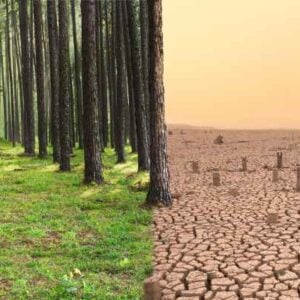
Youth across the Asia-Pacific region have increasingly shown interest in participating in political and governance processes, particularly in climate action. The region is home to approximately 1.1 billion young people, representing around 60 percent of the global population aged 15 to 29 and over a quarter of the region’s total population. This generation faces a more vulnerable environment, with intensifying weather events, rising sea levels, and ecosystem degradation threatening livelihoods, infrastructure, and long-term development. Climate-related disruptions, coupled with insufficient progress on mitigation and adaptation, are contributing to setbacks in achieving SDG 13 (Climate Action) across the region. While governments and institutions play a central role, young people are innovating through green technologies, entrepreneurial finance, and local insights, holding institutions accountable and enabling inclusive climate governance. Yet, institutional recognition remains limited, with only about 2.08 percent of parliamentarians under 30 in the region, highlighting persistent barriers to meaningful youth participation, especially for women, gender-diverse youth, Indigenous youth, and other marginalized groups.
Despite these challenges, many young leaders are successfully influencing climate governance. Their unique perspectives foster innovative solutions and more adaptive policymaking, although recent research indicates that youth participation in formal processes is often overlooked. For instance, 77.9 percent of young people reported never being involved in the formulation of Nationally Determined Contributions (NDCs) during 2020–2021. Many youths engaged in governance identify simply as professionals rather than as young professionals, which can obscure the scale of youth involvement. This disconnect underscores a systemic challenge in climate governance: the underutilization of youth potential, despite their capacity to contribute to inclusive and resilient climate strategies.
Youth participation in climate governance spans multiple levels, from global and continental forums to subnational and community spaces. It encompasses all stages of decision-making, including agenda setting, design, implementation, monitoring, and evaluation. Young people engage as legislators, advisors, climate negotiators, entrepreneurs, and civil society actors, working alongside governments, private sector stakeholders, and other institutions. Their involvement brings diverse perspectives and lived experiences that can strengthen climate strategies and improve outcomes. The report investigates the key resources, strategies, and structural enablers that allow youth leaders to make meaningful contributions to climate policy, drawing on mixed-methods research including focus groups, in-depth interviews, motivation statement analyses, and crowdsourced online platforms.
Findings indicate that young leaders’ pathways to influence are shaped by their proximity to decision-making power, categorized as being “in the room,” “around the room,” or “outside the room.” Access alone does not guarantee impact; success depends on a combination of strategic networking, technical expertise, and risk-taking with adaptability. Youth in formal positions face challenges in framing climate issues to align with national priorities and institutionalizing youth inclusion. Those around the room act as bridges between governments and civil society but are vulnerable to political shifts, while youth outside the room lead grassroots initiatives but often lack access to translate momentum into policy.
The report emphasizes the need for long-term strategies, including access to information, training, mentorship, and financial resources, to enable meaningful participation, particularly for underrepresented groups. Gender-responsive and intersectional approaches are crucial to addressing compounded barriers faced by young women, gender-diverse youth, Indigenous youth, and other marginalized communities. Strengthening systems and structures that empower youth to engage effectively is vital for the future of climate governance. This research highlights the strategies and enablers that contribute to youth success and suggests further exploration of pathways to expand influence, address structural inequalities, and overcome barriers to meaningful climate policymaking.