In winter, temperatures in Ulaanbaatar, the world’s coldest capital, often drop below –30°C, bringing not only extreme cold but also heavy, toxic coal smoke that endangers residents’ health and livelihoods. For families living in the ger areas, traditional felt tents, coal-driven air pollution poses severe risks, especially for children and pregnant women, increasing rates of respiratory illnesses, preterm births, and other complications. Ms. Gantuya, a mother of three in Chingeltei District, described how coal smoke worsened her daughter’s dust allergies and made daily life difficult.
A brighter chapter is emerging through Mongolia’s renewable energy initiatives. Ms. Gantuya is among 68 households participating in the UNDP Mongolia Solar Facility Project, which provides solar-powered heating systems as a clean alternative to coal. These photovoltaic systems, equipped with smart meters, reduce emissions, improve air quality, and withstand Mongolia’s harsh winters, while saving households time and money previously spent on coal. She noted improvements in her children’s health and more time for her son to study.
UNICEF Mongolia is also supporting the transition from coal to low-carbon and renewable energy. Through the CHIP package, over 25,000 people now live in warm, coal-free homes, and more than 6,000 ger households across Ulaanbaatar and 13 provinces have received electric heaters, modern appliances, and improved insulation. Renewable energy solutions have also been implemented in rural schools and health centres, and solar-enabled WASH facilities now reach nearly 37,500 people across ten provinces. Beneficiaries such as Amaasuren, an elderly man, report reduced physical strain and increased safety from switching to electric heating.
Despite Mongolia’s abundant renewable energy potential exceeding 2,600 GW, coal still accounts for over 90% of energy use, and only 18.3% of installed capacity comes from renewables. Pilot projects by UNDP and UNICEF have demonstrated tangible results in reducing coal consumption and improving quality of life. Building on these successes, the government is expanding renewable heating and energy solutions while exploring carbon market opportunities for long-term sustainability. Some households are already supplying surplus electricity to the central grid, generating income and demonstrating scalable models for the future.
These initiatives have informed national policy and regulatory frameworks, including Mongolia’s Just Energy Transition Framework (JETF), developed with UN support and the Joint SDG Fund. The framework balances environmental, social, and economic priorities, promotes clean energy, green infrastructure, and SME growth, and ensures vulnerable communities benefit from the energy transition. UN Resident Coordinator Jaap van Hierden emphasized that the Framework puts people at the center, fostering decent work, resilience, and equitable opportunities.
By 2035, the JETF is expected to guide Mongolia toward a national, equitable, and resilient energy transition. UNDP Resident Representative Matilda Dimovska highlighted the need for a green and just energy future that leaves no household or region behind, while the Ministry of Energy reaffirmed its commitment to implementing the Framework in alignment with national and international climate goals.
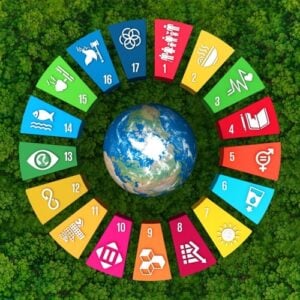
The joint UN programmes are supported by the European Union and multiple international partners, advancing Mongolia’s movement toward achieving the Sustainable Development Goals by 2030.