In a statement issued by his Deputy Spokesperson, Farhan Haq, the UN Secretary-General António Guterres expressed deep concern over escalating violence in South Sudan, where nearly 10 million people—more than two-thirds of the population—now require life-saving humanitarian assistance and continue to suffer the consequences of ongoing conflict.
Guterres highlighted that fighting, attacks, looting, movement restrictions, and insecurity along key supply routes are severely hampering humanitarian and health operations. These conditions are crippling essential services and placing civilians, including aid workers, at serious risk.
Since late December, at least 11 healthcare facilities have been attacked in Jonglei State alone, disrupting critical services for communities already under extreme strain. The assaults have included the seizure of 12 vehicles, including an ambulance. Over the past week, incidents have included repeated attacks on a World Food Programme convoy, an airstrike on a hospital run by Médecins Sans Frontières, and the burning of a Save the Children field office along with the destruction of its health centre.
The Secretary-General condemned these attacks, stating that such disregard for medical and humanitarian operations is unacceptable and must stop, emphasizing that aid work must be facilitated and respected.
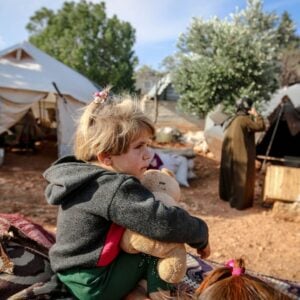
The violence has also caused mass displacement, with over 370,000 people forced from their homes so far this year, including more than 280,000 in Jonglei State, amid a rapidly worsening cholera outbreak.
South Sudan, the world’s youngest nation since gaining independence in 2011, has endured brutal civil conflict marked by political rivalry, ethnic violence, and repeated breakdowns of peace agreements. Despite the 2018 peace deal, insecurity and localized fighting continue to undermine stability and recovery efforts.
Guterres called on all parties to immediately and decisively halt military operations, de-escalate tensions through dialogue, uphold international law, protect civilians, and ensure safe, sustained humanitarian access, including the security of aid workers and UN peacekeepers.