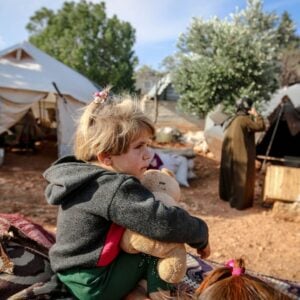
In Sudan, the hunger crisis is worsening, with two additional areas—Um Baru and Kernoi—now classified at famine levels of malnutrition, according to Save the Children. Global acute malnutrition rates in these localities have reached nearly 53% and 34%, respectively, and access limitations make it difficult to assess the full extent of the crisis in surrounding areas. These new famine alerts add to an already dire situation in North Darfur and South Kordofan, where famine conditions were previously confirmed.
Famine conditions in Sudan are characterized by extreme food shortages, widespread starvation, and critical levels of acute malnutrition. Many families have been forced to sell their assets, consume saved seeds, or give up their means of income to survive. The conflict has disrupted access to food, healthcare, and livelihoods, worsening vulnerability and suffering across the country.
The situation is expected to deteriorate further in 2026, with acute malnutrition projected to rise by 13.5% among children under five and pregnant and breastfeeding women, reaching nearly 4.2 million people. Severe acute malnutrition, the most dangerous form, is anticipated to affect 800,000 individuals, an increase of 4% from 2025. Access to treatment is severely limited due to the collapse of healthcare services in conflict zones.
Mohamad Abdiladif, Save the Children’s Country Director in Sudan, warned that children are already dying from hunger-related causes. Families in conflict-affected and hard-to-reach areas face extreme shortages of food, with some selling their last possessions to survive. Abdiladif emphasized the urgent need for international donors to provide aid and for diplomatic pressure to ensure safe, unhindered humanitarian access.
Beyond immediate survival, malnutrition has long-term consequences for children, including stunted growth, impaired cognitive development, chronic illnesses, and lasting psychological trauma. Save the Children, which has operated in Sudan since 1983, continues to support children and families with health, nutrition, education, child protection, and food security programs, aiming to mitigate both the immediate and enduring impacts of the crisis.