Survivors and activists from Kenya emphasize that banning female genital mutilation (FGM) is not enough to ensure justice for women and girls. For survivors, justice goes beyond holding perpetrators accountable—it requires access to healing, psychosocial support, education, and opportunities to rebuild their lives. The long-term consequences of FGM are often physical, emotional, and social, continuing decades after the act itself.
In many communities, girls undergo FGM not out of personal choice but due to social pressures, including marriageability and social acceptance. Men play a decisive role in perpetuating these pressures, as expectations from fathers, husbands, and elders reinforce the practice. Even when men oppose FGM in principle, cultural and family obligations often compel them to comply, sustaining the cycle of coercion.
Survivors like Catherine Mootian recount experiences of being cut in childhood, despite coming from educated families, and the lifelong trauma that followed. Many women carry shame, fear, and silence, which exacerbates the harm and allows FGM to persist, even in places where it is illegal. Physical complications, psychological trauma, and challenges in relationships, pregnancy, and childbirth are common consequences for survivors.
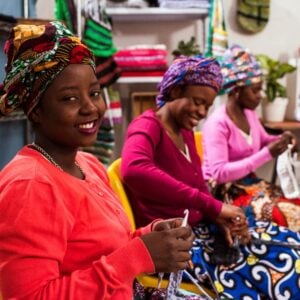
Organizations like AfyAfrica, led by survivors, are working to provide safe spaces, counseling, and community engagement to address the harm that laws alone cannot fix. Engaging men and shifting social norms has proven essential to reducing the practice, as public rejection of FGM by men helps create a culture where girls can refuse without punishment.
Legal protections, while necessary, remain fragile. In countries like The Gambia, attempts to repeal FGM bans demonstrate how quickly hard-won rights can be challenged, leaving women and girls vulnerable. Survivors argue that justice must include both accountability for perpetrators and sustained support for those who have endured FGM, including education, therapy, and social reintegration.
UN Women plays a critical role in complementing legal frameworks with programs that strengthen survivor support and pressure governments to uphold protections. By addressing the root causes, social pressures, and long-term needs of survivors, UN Women and its partners aim to ensure that ending FGM is not only about law enforcement, but also about meaningful healing, empowerment, and systemic change.