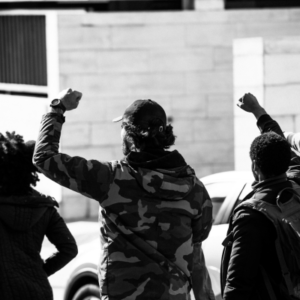
Nepal experienced widespread unrest and political upheaval in 2025 after police killed at least 19 protesters during demonstrations against corruption, inequality, and a proposed social media ban, Human Rights Watch said in its World Report 2026. The September protests, marked by disorder and arson, ultimately led to the collapse of the government.
An interim government, led by former chief justice Sushila Karki, was sworn in with a mandate to hold fresh elections in March 2026. The interim administration has pledged to address corruption and establish a judicial inquiry into the lethal violence during the protests.
Human Rights Watch said the unrest was rooted in long-standing impunity for human rights abuses and entrenched corruption. The organization stressed that successive governments have failed to hold perpetrators accountable, whether abuses were committed by security forces, political actors, or violent mobs, contributing to repeated cycles of violence.
Nepal faces deep social and economic challenges, particularly for young people. Around 40 percent of the population is under the age of 18, yet limited economic opportunities force many to seek work abroad. The government has failed to expand the Child Grant social security program, which currently reaches fewer than 10 percent of Nepali children.
Accountability for past abuses also remains elusive. Progress on justice for crimes committed during Nepal’s 1996–2006 armed conflict stalled after victims’ groups rejected appointments to transitional justice bodies, citing concerns about political interference and lack of independence.
Discriminatory citizenship laws continue to leave millions without legal documentation, particularly children of Nepali mothers who cannot prove their father’s nationality. Migrant workers face exploitation at every stage of migration, including debt bondage, wage theft, sexual violence, and unsafe working conditions abroad.
Human Rights Watch also highlighted persistent discrimination against Dalits and other marginalized communities, reinforcing inequality and social exclusion.
The organization urged the interim government to ensure full, transparent investigations into the September killings and recent corruption allegations, make findings public, and prosecute those responsible. It also called on Nepal’s next elected government to reform the transitional justice process, expand the Child Grant nationwide, and ensure that all children enjoy their right to social security.