The German Research Foundation’s Permanent Senate Commission on the Transformation of Agricultural and Food Systems has called for stronger political support to promote diversified cropping systems as a foundation for more sustainable and crisis-resilient agriculture. In its first official position paper, the Commission highlights the urgent need for long-term research programmes and adapted policy frameworks to better assess the impacts of diversified arable systems and to support evidence-based agricultural decision-making.
Over recent decades, agricultural production in Germany has increasingly shifted toward highly specialised, low-diversity cropping systems, particularly monocultures. While these systems have delivered substantial yield gains, they have also increased ecological and economic risks. According to the Commission, monocultures are less adaptable to climate change, contribute to biodiversity loss, and depend heavily on chemical inputs and global supply chains, making them vulnerable to external shocks.
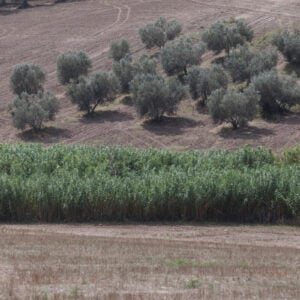
As an alternative, the Commission advocates diversified cropping systems such as extended crop rotations and mixed cultivation practices. These approaches can improve soil health, reduce pest and disease pressure, and strengthen the overall resilience of agricultural systems. Diversification is seen as a way to balance productivity with environmental sustainability while reducing long-term risks for farmers.
The position paper stresses that climate change, biodiversity decline, and growing volatility in global markets make a fundamental transformation of agricultural systems unavoidable. Diversified cropping systems are described as a bridge between traditional agricultural knowledge and innovative practices that can help future-proof food production while maintaining ecological balance.
The Commission also points to significant knowledge gaps that limit wider adoption of diversified systems. More systematic and interdisciplinary research is needed to understand their effects on yield stability, ecological performance, economic viability, technological requirements, and social acceptance. Long-term studies are considered essential to capture the complex interactions involved and to support practical implementation.
Despite existing incentives under the European Union’s Common Agricultural Policy, diversified cropping systems remain underutilised in Germany. Farmers face practical barriers such as limited value chains, insufficient economic incentives, high initial investment costs, and uncertainty about agronomic and financial outcomes. Additional challenges include a lack of suitable machinery and region-specific implementation strategies, highlighting the need for coordinated political and market-based solutions.
The Commission emphasises that future progress depends on innovation across breeding, integrated farming systems, environmental protection, technological development, and economic evaluation. Developing robust, site-adapted crop varieties, integrating arable farming with livestock and agroforestry systems, and using digital technologies are all seen as key to enabling diversification at scale.
Ultimately, the Commission calls for coordinated action by researchers, policymakers, and market stakeholders to support the transition toward adaptive cropping systems. The overarching goal is to secure long-term food supply resilience while maintaining ecological sustainability, ensuring that German agriculture becomes more robust, competitive, and prepared for future challenges.