• Skip to primary navigation
  • Skip to main content
  • Skip to primary sidebar

fundsforNGOs News

Grants and Resources for Sustainability

  • Subscribe for Free
  • Premium Support
  • Premium Login
  • Premium Sign up
  • Home
  • Funds for NGOs
    • Agriculture, Food and Nutrition
    • Animals and Wildlife
    • Arts and Culture
    • Children
    • Civil Society
    • Community Development
    • COVID
    • Democracy and Good Governance
    • Disability
    • Economic Development
    • Education
    • Employment and Labour
    • Environmental Conservation and Climate Change
    • Family Support
    • Healthcare
    • HIV and AIDS
    • Housing and Shelter
    • Humanitarian Relief
    • Human Rights
    • Human Service
    • Information Technology
    • LGBTQ
    • Livelihood Development
    • Media and Development
    • Narcotics, Drugs and Crime
    • Old Age Care
    • Peace and Conflict Resolution
    • Poverty Alleviation
    • Refugees, Migration and Asylum Seekers
    • Science and Technology
    • Sports and Development
    • Sustainable Development
    • Water, Sanitation and Hygiene (WASH)
    • Women and Gender
  • Funds for Companies
    • Accounts and Finance
    • Agriculture, Food and Nutrition
    • Artificial Intelligence
    • Education
    • Energy
    • Environment and Climate Change
    • Healthcare
    • Innovation
    • Manufacturing
    • Media
    • Research Activities
    • Startups and Early-Stage
    • Sustainable Development
    • Technology
    • Travel and Tourism
    • Women
    • Youth
  • Funds for Individuals
    • All Individuals
    • Artists
    • Disabled Persons
    • LGBTQ Persons
    • PhD Holders
    • Researchers
    • Scientists
    • Students
    • Women
    • Writers
    • Youths
  • Funds in Your Country
    • Funds in Australia
    • Funds in Bangladesh
    • Funds in Belgium
    • Funds in Canada
    • Funds in Switzerland
    • Funds in Cameroon
    • Funds in Germany
    • Funds in the United Kingdom
    • Funds in Ghana
    • Funds in India
    • Funds in Kenya
    • Funds in Lebanon
    • Funds in Malawi
    • Funds in Nigeria
    • Funds in the Netherlands
    • Funds in Tanzania
    • Funds in Uganda
    • Funds in the United States
    • Funds within the United States
      • Funds for US Nonprofits
      • Funds for US Individuals
      • Funds for US Businesses
      • Funds for US Institutions
    • Funds in South Africa
    • Funds in Zambia
    • Funds in Zimbabwe
  • Proposal Writing
    • How to write a Proposal
    • Sample Proposals
      • Agriculture
      • Business & Entrepreneurship
      • Children
      • Climate Change & Diversity
      • Community Development
      • Democracy and Good Governance
      • Disability
      • Disaster & Humanitarian Relief
      • Environment
      • Education
      • Healthcare
      • Housing & Shelter
      • Human Rights
      • Information Technology
      • Livelihood Development
      • Narcotics, Drugs & Crime
      • Nutrition & Food Security
      • Poverty Alleviation
      • Sustainable Develoment
      • Refugee & Asylum Seekers
      • Rural Development
      • Water, Sanitation and Hygiene (WASH)
      • Women and Gender
  • News
    • Q&A
  • Premium
    • Premium Log-in
    • Premium Webinars
    • Premium Support
  • Contact
    • Submit Your Grant
    • About us
    • FAQ
    • NGOs.AI
You are here: Home / cat / Tackling ‘Forever Chemicals’: UK Launches Groundbreaking National Plan

Tackling ‘Forever Chemicals’: UK Launches Groundbreaking National Plan

Dated: February 3, 2026

The UK Government has unveiled its first-ever PFAS Plan to better protect public health and the environment from harmful ‘forever chemicals.’ This strategy provides a coordinated framework for governments, businesses, and regulators to identify the sources of these chemicals, understand how they spread, and take steps to reduce exposure. While PFAS have supported economic growth and low-carbon technologies, their persistent nature has created long-term risks for both people and ecosystems.

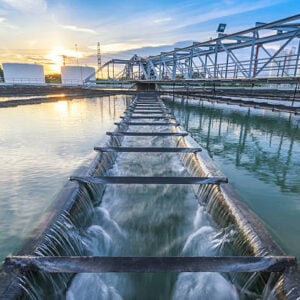
Currently, there is no evidence of PFAS above permitted levels in England and Wales’ drinking water. The Plan includes a consultation later this year on introducing a statutory limit for PFAS in public water supply regulations, allowing regulators to act decisively if levels are exceeded. Environment Minister Emma Hardy emphasized that the initiative aims to reduce harmful effects while transitioning to safer alternatives, protecting public health and vital ecosystems for future generations.

The Plan also focuses on assessing the full extent of PFAS contamination in England’s estuaries and coastal waters for the first time. Through improved testing of water, sediment, and invertebrates, regulators will gain a clearer understanding of risks to these habitats and a stronger evidence base to guide future action. There is also a push to develop safer alternatives to everyday items, such as period products and water-repellent clothing, whose production currently emits high levels of PFAS.

Philip Duffy, Chief Executive of the Environment Agency, highlighted the agency’s role in monitoring, risk assessment, and regulatory enforcement. The PFAS Plan outlines additional measures, including new guidance for regulators and industry on legacy contamination, testing food packaging for PFAS, enhancing transparency through a dedicated website, reducing industrial emissions, monitoring PFAS in soils, and reviewing restrictions on firefighting foams.

The UK Government will collaborate with regulators, businesses, and communities to implement the Plan, taking a science-based and proportionate approach to minimize the risks posed by PFAS to public health and the environment.


Related Posts

  • Advancing Women’s Leadership in Water Management with BRIDGE Gender Grants
  • Farming Rules Shake-Up Aims to Cut Pollution and Support Farmers
  • Near East and North Africa Partners Unite in Amman to Accelerate Water Scarcity Solutions
  • CREATES Programme Launched by IUCN & UNEP to Enhance Climate-Resilient Water Governance
  • Lessons from England’s 2025 Drought: Managing Water Scarcity and Risk

Primary Sidebar

Latest News

Shaping the Future: Policy Pathways Beyond the Shoreline

Preventing Election Theft: Global Lessons for the US

Why Measles Is Deadlier Than You Realize: 7 Key Facts

Transparent Communication Drives Higher Vaccine Uptake: Study

Strengthening SDG 4 Data: Arab Statisticians Convene in Saudi Arabia Workshop

How Commonwealth Small States Can Strengthen Economic Resilience Together

Nigeria Advances Agri-Finance with UNDP-BOA MoU Signing

Lessons from Sudan for US Economic Engagement with Venezuela

Albania Launches FAO-Supported Platform for Sustainable Agrifood Systems

Central Asia Strengthens Locust Management Skills Through FAO Training

Global Report Reveals Slow Progress on Secure Land Tenure

WHO Warns European Region Will Lead Globally in Tobacco Use by 2030

Cholera Surge Hits Southern Africa Amid Floods and Displacement

Strengthening Water Safety in Morogoro: Tanzania’s Latest Initiative

Angola and Namibia Launch Synchronized Polio Campaign Along Border

WHO Launches Strategy Game to Boost Outbreak Response Speed

Strengthening Traditional Medicine: WHO Launches New Collaborating Centre

Strengthening Malaria Elimination in Africa Through Localized Data

Stemming the Tide of Digital Scams: A Development Priority

IUCN NAbSA Launches Brief Series to Boost Nature-Based Climate Solutions

Stronger Together for Peace: Building Unity and Global Harmony

Ukraine Receives Historic €1.5 Billion from EIB Group in 2025

Overnight Care Service to End Amid Budget Reductions

Canada Invests $41M in Cancer Prevention and Early Detection Research

Empowering Communities: Small Grants Initiative Expands to Solomon Islands

London Cancer Hub Fund Launched by Aviva to Drive Cancer Innovation

Greek Law Targeting NGOs Sparks International Criticism

Gender Persecution and War Crimes in Afghanistan Demand Justice

US Energy Dominance Agenda Shapes Indonesia Trade Deal

Cambodian Journalists Sentenced to 14 Years in Controversial Case

Call for Accountability in Lebanon: War Crimes Victims Demand Justice

Israel Faces Global Criticism Over West Bank Annexation Measures

Greece Convicts Officials in ‘Predatorgate’ Spyware Abuse Scandal

1.6 Billion Fentanyl Doses Prevented in UN Drug Alert

Deadly Border Clashes Between Afghanistan and Pakistan: UN Urges Talks

Sudan Faces Ongoing Threat of Genocidal Violence, UN Warns

Energy Crisis in Cuba Intensifies Humanitarian Pressures

£50 Million Boost in Funding to Fight Homelessness

Global Accelerator Showcases Results from 19 Pathfinder Countries

Transforming Rwanda’s Food Systems: Policies, Innovation, and Impact

Funds for NGOs
Funds for Companies
Funds for Media
Funds for Individuals
Sample Proposals

Contact us
Submit a Grant
Advertise, Guest Posting & Backlinks
Fight Fraud against NGOs
About us

Terms of Use
Third-Party Links & Ads
Disclaimers
Copyright Policy
General
Privacy Policy

Premium Sign in
Premium Sign up
Premium Customer Support
Premium Terms of Service

©FUNDSFORNGOS LLC.   fundsforngos.org, fundsforngos.ai, and fundsforngospremium.com domains and their subdomains are the property of FUNDSFORNGOS, LLC 1018, 1060 Broadway, Albany, New York, NY 12204, United States.   Unless otherwise specified, this website is not affiliated with the abovementioned organizations. The material provided here is solely for informational purposes and without any warranty. Visitors are advised to use it at their discretion. Read the full disclaimer here. Privacy Policy. Cookie Policy.