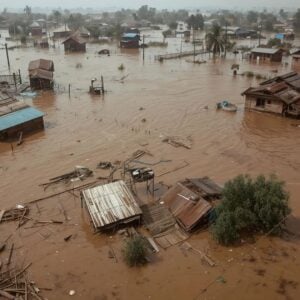
Over three million people have returned to their areas of origin in Sudan, despite widespread destruction of homes, basic services, and critical infrastructure. The International Organization for Migration (IOM) is calling for sustained funding to meet the rising needs of returnees and to support solutions that can help break the cycle of displacement.
IOM Director General Amy Pope highlighted the resilience of Sudanese families but cautioned that returning home does not automatically mean safety or stability. Many families are arriving to destroyed houses, limited services, and uncertain futures, and without predictable support, return could become another chapter of hardship rather than a path to recovery.
Khartoum State recorded the highest number of returns, with more than 1.3 million people, followed by Aj Jazirah State. Overall, 83 per cent of returnees came from internal displacement, while 17 per cent returned from neighbouring countries including Egypt, South Sudan, Libya, and Gulf States.
The continuing increase in returnees underscores pockets of perceived relative security in parts of Sudan, but also highlights urgent shelter needs and the necessity to rebuild homes and restore essential infrastructure, such as water systems, health facilities, and schools. IOM emphasizes the importance of providing returnees with dignified living conditions, access to services, and protection, especially since many are returning with very limited resources.
Meanwhile, in Darfur and Kordofan, escalating violence has forced further displacement. El Fasher in North Darfur has seen the highest numbers, with over 1.2 million people displaced, representing 13 per cent of Sudan’s total. Ongoing insecurity continues to drive people from camps like Zamzam and Abu Shouk, intensifying the concentration of displaced populations in the region.
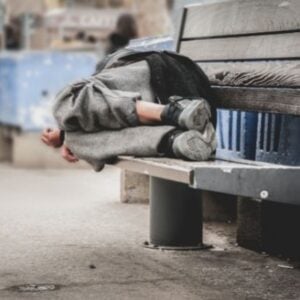
Sudan remains the world’s largest displacement crisis as the conflict approaches its third year. More than half of displaced people are living in urban areas, straining already overstretched services and host communities.
IOM stresses that sustained humanitarian funding is urgently needed to address immediate needs for returnees and displacement-affected communities, while also supporting longer-term recovery and durable solutions. Without adequate resources and renewed efforts toward peace, millions of Sudanese families risk remaining trapped in prolonged displacement and instability.