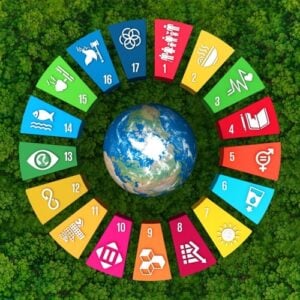
In 2023, the World Heritage Institute of Training and Research for the Asia and the Pacific Region under UNESCO (WHITR-AP, Shanghai Center) launched the “World Heritage Contribution to Sustainable Development Goals” project (2023–2028) to help heritage practitioners integrate sustainable development perspectives into World Heritage conservation and management. The project aims to translate the 2015 UNESCO Policy on sustainable development into practical tools, foster knowledge exchange, and recognize good practices that demonstrate how heritage contributes to sustainable development, in alignment with the Regional Framework Action Plan for Asia and the Pacific.
The Heritage Asia-Pacific (HeritAP) network, supported by WHITR-AP Shanghai, facilitates collaboration and knowledge sharing among heritage practitioners across the region, emphasizing that practical experience is a key source of learning. The project engages a steering group that includes representatives from UNESCO World Heritage Centre, ICOMOS, ICCROM, IUCN, SEAMEO SPAFA, and HIST, promoting dialogue, guidance, and recognition of good practices based on UNESCO’s four transversal thematic dimensions: Environment & Resilience, Prosperity & Livelihoods, Knowledge & Skills, and Inclusion & Participation.
The 2026 thematic focus is “Knowledge & Skills,” highlighting the role of heritage in transmitting traditional knowledge, cultural diversity, and empowering communities through education, training, and creative fields. This includes integrating heritage knowledge into primary, secondary, tertiary, and vocational education, as well as advanced training in conservation, while reinforcing the link between tangible and intangible heritage to manage sites as dynamic cultural-ecological systems.
The call for good practices is open to individuals and organizations involved in heritage conservation at World Heritage sites or Tentative List sites. Participants benefit from international recognition, exchange opportunities with experts, amplified influence through global platforms, and the chance to showcase effective sustainable development strategies at the HeritAP annual meeting. The process includes application submission, preliminary review, online presentations, field studies, and the annual meeting, which concludes with the announcement of selected good practices.
Overall, the project strengthens the capacity of heritage practitioners, promotes inclusive and sustainable development, and demonstrates how World Heritage can serve as a driver for knowledge, skills, and local empowerment in the Asia-Pacific region.