The International Organization for Migration (IOM) is intensifying its emergency response in Mozambique as severe flooding continues to displace large numbers of people across the country. The organization is expanding life-saving assistance while strengthening nationwide displacement tracking, coordination, and protection efforts in collaboration with the government and humanitarian partners.
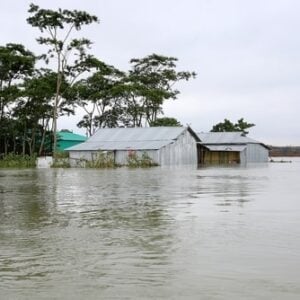
Weeks of heavy rainfall have triggered widespread flooding in southern and central Mozambique, submerging entire neighborhoods, forcing families from their homes, and overwhelming already fragile infrastructure as rivers continue to overflow. The situation has rapidly escalated, with humanitarian needs increasing daily.
According to IOM’s Displacement Tracking Matrix, more than 600,000 people have been affected in Maputo and the provinces of Gaza, Inhambane, Sofala, and Zambézia. Over 73,600 people are currently displaced in 71 accommodation centers nationwide, with Gaza Province the hardest hit. Large concentrations of displaced people are sheltering in Chiaquelene and Xilembene, where accommodation centers are under severe strain.
Displaced communities are facing critical shortages of shelter, essential household items, clean water, sanitation and hygiene services, food, healthcare, and protection support. Overcrowding in accommodation centers has heightened risks, particularly for women, children, and other vulnerable groups.
As part of its response, IOM is providing regularly updated displacement data to the National Institute for Disaster Management and Risk Reduction and humanitarian partners to help ensure assistance is targeted effectively. Teams are working in priority locations to improve conditions in accommodation centers, enhance coordination, and strengthen protection measures for those most at risk.
On 16 January, the Government of Mozambique declared a nationwide Red Alert and formally appealed for international and United Nations support. This includes requests for air assistance for search and rescue operations, logistical and technical support, and the delivery of life-saving supplies. Humanitarian partners are mobilizing resources alongside national authorities to respond to the rapidly growing crisis.
As the Camp Coordination and Camp Management Cluster lead, IOM is maintaining nationwide operational coverage and deploying additional teams in Gaza Province to support site management, community engagement, and protection referrals. Health, water and sanitation, and protection teams are also being mobilized to ease pressure on overcrowded centers, improve basic services, and safeguard the dignity and safety of displaced families.
With roads cut off, rivers continuing to overflow, and accommodation centers stretched beyond capacity, humanitarian needs are quickly outpacing available resources. IOM has emphasized the urgent need for immediate funding and in-kind contributions to track displacement, improve living conditions, deliver essential relief items and dignity kits, and strengthen protection services for affected populations.