Recent developments across multiple regions highlight escalating humanitarian crises. In Ukraine, attacks have intensified in several areas, including the Odesa region, where a 17-year-old boy was killed, prompting UNICEF to call for an end to strikes on civilian zones and essential infrastructure. The southeastern city of Kryvyi Rih faced renewed attacks, disrupting communities already affected by harsh winter conditions. UN reports indicate that Russia continues targeting energy infrastructure, leaving civilians without heat, electricity, and water, a situation described by UN human rights chief Volker Türk as cruel and intolerable. Humanitarian teams are delivering shelter materials and protection services, but urgent aid is needed to address the worsening needs amid freezing temperatures.
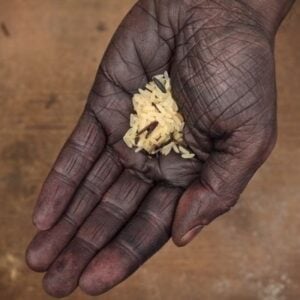
In northeast Nigeria, the World Food Programme (WFP) warned that over one million people could lose emergency food and nutrition assistance unless funding is secured within weeks. The country is experiencing one of the worst hunger crises in recent years, with nearly 35 million people projected to face acute food insecurity during the lean season. In Borno state alone, roughly 15,000 people are at risk of falling into catastrophic hunger, the highest level recorded in a decade. Renewed violence in northern Nigeria has further devastated rural communities, displaced families, and destroyed food reserves. WFP emphasized that cutting aid now would have catastrophic humanitarian, security, and economic consequences and is urgently seeking $129 million to sustain operations over the next six months.
Kenya is also confronting severe food insecurity, with over two million people affected by a prolonged drought following one of the driest rainy seasons on record from October to December 2025. The drought has heightened malnutrition, increased disease risks, and disrupted access to health services. Ten counties are currently experiencing drought conditions, with one in the “alarm” phase, while 13 counties in the Arid and Semi-Arid Lands (ASAL) show signs of drought stress. Neighboring countries, including Somalia, Tanzania, and Uganda, are facing similar challenges due to regional water shortages. The World Health Organization (WHO) has supported Kenyan authorities by pre-positioning medical and emergency supplies and stressed the urgent need to ensure access to safe water and food for both people and livestock to prevent the crisis from worsening.