• Skip to primary navigation
  • Skip to main content
  • Skip to primary sidebar

fundsforNGOs News

Grants and Resources for Sustainability

  • Subscribe for Free
  • Premium Support
  • Premium Login
  • Premium Sign up
  • Home
  • Grants & Funding
    • Funds for NGOs
      • Agriculture, Food & Nutrition
      • Animals and Wildlife
      • Arts & Culture
      • Children
      • Civil Society
      • Community Development
      • Democracy and Good Governance
      • Economic Development
      • Education
      • Disability
      • Employment and Labor
      • Environment
      • Family Support
      • Healthcare
      • HIV and AIDS
      • Housing & Shelter
      • Humanitarian Relief
      • Human Rights
      • Human Service
      • Information Technology
      • Livelihood Development
      • LGBTQIA2S+
      • Media and Development
      • Narcotics, Drugs and Crime
      • Old Age Care
      • Peace & Conflict Resolution
      • Poverty Alleviation
      • Refugees, Migration & Asylum Seekers
      • Science & Technology
      • Sports & Development
      • Sustainable Development
      • Water, Sanitation & Hygiene (WASH)
      • Women & Gender
      • Youth & Adolescents
    • Donors & Funders
    • Funds for Companies
      • Accounts & Finance
      • Agriculture, Food and Nutrition
      • AI
      • Education
      • Energy
      • Environment
      • Healthcare
      • Innovation
      • Manufacturing
      • Media
      • Research
      • Startups & Early-Stage
      • Sustainable Development
      • Technology
      • Travel & Tourism
      • Women
      • Youth
    • Funds for Individuals
      • All Individuals
      • Artists
      • Disabled Persons
      • LGBTQIA2S+
      • PhD Holders
      • Researchers
      • Scientists
      • Students
      • Women
      • Writers
      • Youths
  • Funds in Your Country
  • Proposal Writing
    • Sample Proposals
    • Agriculture Proposals
    • Business Proposals
    • Child Development Proposals
    • Climate Change & Biodiversity Proposals
    • Community Development Proposals
    • Democracy & Good Governance Proposals
    • Disability Proposals
    • Disaster & Humanitarian Relief Proposals
    • Environment Proposals
    • Education Proposals
    • Healthcare Proposals
    • Housing & Shelter Proposals
    • Human Rights Proposals
    • Livelihood Development Proposals
    • Nutrition & Food Security Proposals
    • Poverty Alleviation Proposals
    • Refugees, Migration & Asylum-Seekers’ Proposals
    • Rural Development Proposals
    • Sustainable Development Proposals
    • Water, Sanitation & Hygiene (WASH) Proposals
    • Women & Gender Proposals
    • Youth Development Proposals
  • Premium
    • Premium Sign-in
    • Premium Grants
    • Premium eBooks
    • Premium Webinars
    • Premium Videos
    • Premium Courses
    • Premium Support
  • NGOs.AI
  • Contact
    • Submit Your Opportunity
    • Learning Lab
    • Q&A
    • News
    • About us
You are here: Home / cat / From Recovery to Readiness: How LISC Is Helping Small Businesses Build Resilience for Future Crises

From Recovery to Readiness: How LISC Is Helping Small Businesses Build Resilience for Future Crises

Dated: January 22, 2026

How to prepare for the next disaster is a question many small business owners confront only after experiencing a crisis. For others, the daily challenge of keeping their businesses afloat leaves little time to plan for what lies ahead. Yet as natural disasters and economic shocks grow more frequent, the cost of not preparing is high. According to the Federal Emergency Management Agency, nearly 43% of small businesses never reopen after a disaster.

Recognizing this risk, the Local Initiatives Support Corporation (LISC) launched a $5 million Small Business Resiliency program in 2024 to help entrepreneurs prepare for and recover from disasters of all kinds, whether natural, economic, or infrastructural. The initiative focuses on strengthening the capacity of local Business Development Organizations (BDOs), which play a critical role in supporting small businesses on the ground. Through LISC’s national network of more than 150 BDOs, the program currently partners with 25 organizations in Chicago, Detroit, Louisiana, and Puerto Rico. Together, they deliver training, one-on-one technical assistance, and practical planning tools that help business owners develop continuity and resilience strategies. Approximately three-quarters of the businesses served through these partner organizations are located in low- to moderate-income communities.

LISC’s approach is grounded in the belief that resilient communities depend on resilient businesses. As Armando Moritz-Chapelliquen, senior program officer for economic development at LISC, explains, thriving local economies require businesses that can withstand and recover from disruption. Through the program, BDOs help entrepreneurs understand that preparedness principles are largely universal across crises. Business owners are encouraged to assess vulnerabilities, plan for disruptions, and coordinate response strategies in advance. By fostering shared learning, collaboration, and practical planning, the program strengthens not only individual enterprises but also long-term community resilience.

One of the program’s early impacts has been demystifying the language of disaster resilience for both business owners and support organizations. According to Moritz-Chapelliquen, having a shared and clear framework enables entrepreneurs to communicate more effectively with lenders, insurers, and other stakeholders, demonstrating preparedness and credibility at critical moments.

Since its launch, BDOs participating in the LISC Small Business Resiliency program have supported more than 1,300 businesses across the four regions. In Puerto Rico, Centro Para Emprendedores has embedded resilience planning into its entrepreneurship support model, helping businesses shift from reactive recovery to proactive preparedness. Founded in 2012, the organization supports entrepreneurs, many of them women, through education, mentorship, and access to capital. Its Business SOS program, initially launched after Hurricanes Irma and María, has continued through earthquakes, the COVID-19 pandemic, and recurring power and infrastructure disruptions.

With support from LISC, Centro Para Emprendedores adopted a structured resilience toolkit that includes checklists and planning templates, making disaster preparedness more actionable for entrepreneurs who often struggle to find time for long-term planning. As a result, businesses are better equipped to respond quickly when emergencies arise. Among those benefiting is Yvis del Mar Ortíz Vélez, founder of the jewelry brand Loobanys in Old San Juan. Operating in a disaster-prone area, Loobanys developed a comprehensive contingency plan that improved decision-making around closures, emergencies, and coordination with local support networks. This proactive planning has helped the business remain operational despite repeated crises.

In Chicago, the Northwest Side Community Development Corporation is strengthening neighborhood economies by helping entrepreneurs prepare for disruptions ranging from flooding and extreme weather to infrastructure failures. Serving Belmont Cragin and surrounding neighborhoods, many of whose residents are Spanish-speaking immigrants, the organization integrates bilingual resiliency planning and emergency response training into its broader mission of building generational wealth. Through the LISC program, Northwest Side CDC co-created a community-focused resiliency toolkit that makes disaster planning more accessible while also applying the same tools internally after experiencing flood damage itself.

This strengthened capacity allows the organization to better support entrepreneurs like Mayola Rosales Guzman, founder of El Capitan Snacks. After transitioning from street vending to a physical storefront, Guzman faced new challenges related to plumbing, flooding, and property maintenance. Training received through the LISC program helped her prepare for emergencies, and when severe rain caused major plumbing damage, prior planning allowed her to minimize losses and reopen within two days. The experience reinforced the value of preparedness and highlighted new opportunities, such as exploring additional insurance options.

Along Louisiana’s vulnerable coastlines, Coastal Communities Consulting (CCC) supports small businesses, many from immigrant fishing families, as they navigate repeated environmental and economic shocks. Founded after the BP Oil Spill, CCC has assisted more than 1,500 families and businesses in accessing capital, navigating disaster programs, and building long-term financial resilience. Participation in the LISC program has expanded CCC’s ability to deliver resiliency planning and track real-time impact, strengthening the region’s seafood economy.

For Diane Zarak and her family-run oyster business, Atlantis Oysters, CCC has become a critical source of support amid hurricanes, flooding, and market pressures from imported seafood. With CCC’s guidance, the family has been able to secure funding, navigate recovery programs, and continue sustaining their livelihood, demonstrating how community-based support can help preserve local industries through ongoing adversity.

In Detroit, organizations like the Detroit Hispanic Development Corporation are helping entrepreneurs prepare for challenges ranging from aging infrastructure and flooding to economic instability and displacement. For nearly three decades, DHDC has supported residents through education, housing counseling, and small business development. Through LISC’s resiliency program, the organization strengthened its own disaster response capacity, which proved critical during a recent water main break that flooded homes and businesses. The lessons learned are now being applied to help entrepreneurs develop their own resiliency plans and to launch a new resiliency hub in River Rouge.

Across Puerto Rico, Chicago, Louisiana, and Detroit, the LISC Small Business Resiliency program demonstrates that preparedness is not a one-time exercise but a long-term investment in economic stability. By embedding resilience planning into everyday business support, LISC and its partners are strengthening entire local ecosystems. When the next crisis comes, these communities are better positioned not just to survive, but to protect the financial heartbeat that keeps them moving forward.

Related Posts

  • Boosting Female Entrepreneurship: NSW Government Grants $500K to Local Groups
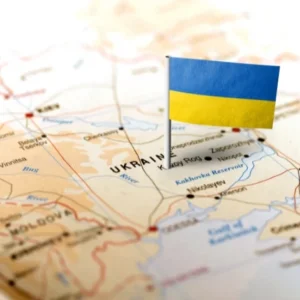
  • EU Unveils €90 Billion Support Package to Strengthen Ukraine in 2026–2027
  • Financial Support: Government to Provide Direct Cash Assistance to Those in Need
  • Ontario Commits Funding to Protect and Support Rural Communities
  • Ireland Boosts Ukraine Relief with €3 Million for Irish NGOs

Primary Sidebar

Latest News

UN Report Shows $2.5 Billion Mobilised for Solutions to Internal Displacement

Saudi Arabia Strengthens Partnership with UNDP to Support Global Sustainable Development

Row of bright yellow heavy-duty dump trucks parked on an industrial site under a clear blue sky.

UNDP Provides Heavy-Duty Vehicles to Support Humanitarian Demining in Ukraine’s Kharkiv Region

UNDP Supports Community-Led Environmental Projects in Ghana’s Black Volta Basin

European Parliament Calls for Greater EU Investment in Overseas Biodiversity Protection

UNOPS and World Bank Expand Solar Power Access for Communities Across Yemen

Madagascar to Strengthen Urban Resilience and Create Jobs with $225 Million World Bank Investment

Humanitarian Service Points Provide Lifeline for Malian Refugees Arriving in Mauritania

ILO and Jordan Trade Unions Strengthen Efforts to Protect Migrant Workers’ Rights

ILO and WFP Support Cocoa and Breadfruit Industries to Create Jobs in Haiti

UN Chief Calls for Global AI Rules as Concerns Grow Over Autonomous Weapons and Digital Risks

UN Expands Venezuela Earthquake Relief Efforts as Damage Estimate Reaches $37 Billion

EBRD and EU Expand Green Investment Support Across Sub-Saharan Africa

Colorful toy boxes with blue, yellow, and orange lids stacked together on a table.

Kosovo Packaging Producer Cuts Carbon Emissions with EBRD and EU Green Support

Lancet Review Confirms mRNA Vaccines Are Safe and Effective

UN Food Systems Hub Strengthens Regional Cooperation Across the Caribbean and Central America

People wearing yellow gloves picking up litter and placing it into a dark blue garbage bag during an outdoor cleanup.

EBRD Supports Community Clean-Up Initiative in Amman to Promote Sustainable Waste Management

Uzbekistan Endorses Agrifood Investment Roadmap to Accelerate Climate Action

ILO Training in Turin Strengthens Collective Bargaining and Negotiation Skills

Over 20,000 Children in Türkiye Supported to Stay in School Through ILO Initiative

Four young women sit on outdoor steps, collaborating with a laptop and a tablet.

Nepal Advances Care Cooperatives to Boost Women’s Employment and Community Care Services

Green Climate Fund Approves $30 Million for Climate Resilience in Tajikistan

World Bank Group Recommends Reforms to Boost Private Investment and Create 300,000 Jobs in Uzbekistan

EIB and Bpifrance Strengthen Partnership With €550 Million for Renewable Energy, Security and Defence

EIB Grants €500 Million to CDC Habitat to Boost Affordable Housing in France

EIB Provides €345 Million to Alperia for Sustainable Energy Infrastructure in South Tyrol

EIF Backs Climentum With €40 Million to Boost Europe’s Climate-Tech Startups

Five Insights for Building Africa’s Inclusive Prosperity

UNDP Urges Creatives to Tap AfCFTA’s 1.4 Billion Market and Boost Investment

Caribbean Leads Global Effort to Eliminate Mother-to-Child Disease Transmission

Côte d’Ivoire Secures $399 Million World Bank Financing to Support Private Investment

Africa Finance Corporation Prices $500 Million Eurobond at Record-Low Spread

Tanzania Secures $3.1 Billion Five-Year Health Deal With the U.S.

Côte d’Ivoire Approves $366.3 Million Funding for Health and Energy Projects

Supporting Food System Sovereignty in Burkina Faso

Burkina Faso Backs ADF-17 to Strengthen African Development Financing Ownership

Mali Ratifies AfDB Loans to Boost Electricity Supply in Bamako

AfDB Strengthens Public Service Capacity to Improve Project Delivery in Togo

AfDB Launches Digital Monitoring Platform to Improve Project Supervision in Ghana

World Bank Funds $119 Million Flood Resilience Project to Protect Jobs in Brazil

Funds for NGOs
Funds for Companies
Funds for Media
Funds for Individuals
Sample Proposals

Contact us
Submit a Grant
Advertise, Guest Posting & Backlinks
Fight Fraud against NGOs
About us

Terms of Use
Third-Party Links & Ads
Disclaimers
Copyright Policy
General
Privacy Policy

Premium Sign in
Premium Sign up
Premium Customer Support
Premium Terms of Service

©FUNDSFORNGOS LLC.   fundsforngos.org, fundsforngos.ai, and fundsforngospremium.com domains and their subdomains are the property of FUNDSFORNGOS, LLC 1018, 1060 Broadway, Albany, New York, NY 12204, United States.   Unless otherwise specified, this website is not affiliated with the abovementioned organizations. The material provided here is solely for informational purposes and without any warranty. Visitors are advised to use it at their discretion. Read the full disclaimer here. Privacy Policy. Cookie Policy.