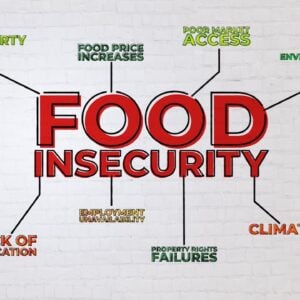
The people of Yemen are facing a severe and escalating hunger crisis, warns the International Rescue Committee (IRC), as ongoing conflict, insecurity, and drastic reductions in humanitarian funding compound the situation. Yemen now bears the highest global burden of IPC Phase 4 food insecurity, with over 148,000 people entering crisis or worse levels of food insecurity in 2025 alone. Current projections indicate that over 18 million people—more than half the population—will face worsening food insecurity in early 2026, with an additional one million at risk of life-threatening hunger. Some districts are expected to experience famine conditions affecting over 40,000 people, marking the most dire outlook since 2022.
Years of conflict, displacement, and economic collapse have devastated livelihoods and restricted access to basic health and nutrition services. Household purchasing power has eroded, and humanitarian assistance has sharply declined. By the end of 2025, the humanitarian response was funded at less than 25% of required levels, with lifesaving nutrition programs receiving under 10% of needed resources. This rapid deterioration, exacerbated by climate shocks and continued insecurity, underscores the urgent need for targeted intervention to prevent further catastrophe.
Caroline Sekyewa, IRC Country Director in Yemen, emphasizes the human toll, noting that families are forced into impossible choices, including collecting wild plants to feed children while going without meals themselves. Rising food prices, prolonged displacement, and ongoing conflict are driving households deeper into crisis, making daily survival a struggle rather than a looming risk.
The IRC stresses that Yemen’s food insecurity crisis is not inevitable and can be mitigated through immediate, targeted donor action. Evidence shows that cash assistance is one of the most effective ways to help families meet their food needs with dignity, protect children, and avoid harmful coping strategies. Timely interventions can prevent widespread loss of life and support communities in regaining stability before emergency conditions worsen further.