• Skip to primary navigation
  • Skip to main content
  • Skip to primary sidebar

fundsforNGOs News

Grants and Resources for Sustainability

  • Subscribe for Free
  • Premium Support
  • Premium Login
  • Premium Sign up
  • Home
  • Funds for NGOs
    • Agriculture, Food and Nutrition
    • Animals and Wildlife
    • Arts and Culture
    • Children
    • Civil Society
    • Community Development
    • COVID
    • Democracy and Good Governance
    • Disability
    • Economic Development
    • Education
    • Employment and Labour
    • Environmental Conservation and Climate Change
    • Family Support
    • Healthcare
    • HIV and AIDS
    • Housing and Shelter
    • Humanitarian Relief
    • Human Rights
    • Human Service
    • Information Technology
    • LGBTQ
    • Livelihood Development
    • Media and Development
    • Narcotics, Drugs and Crime
    • Old Age Care
    • Peace and Conflict Resolution
    • Poverty Alleviation
    • Refugees, Migration and Asylum Seekers
    • Science and Technology
    • Sports and Development
    • Sustainable Development
    • Water, Sanitation and Hygiene (WASH)
    • Women and Gender
  • Funds for Companies
    • Accounts and Finance
    • Agriculture, Food and Nutrition
    • Artificial Intelligence
    • Education
    • Energy
    • Environment and Climate Change
    • Healthcare
    • Innovation
    • Manufacturing
    • Media
    • Research Activities
    • Startups and Early-Stage
    • Sustainable Development
    • Technology
    • Travel and Tourism
    • Women
    • Youth
  • Funds for Individuals
    • All Individuals
    • Artists
    • Disabled Persons
    • LGBTQ Persons
    • PhD Holders
    • Researchers
    • Scientists
    • Students
    • Women
    • Writers
    • Youths
  • Funds in Your Country
    • Funds in Australia
    • Funds in Bangladesh
    • Funds in Belgium
    • Funds in Canada
    • Funds in Switzerland
    • Funds in Cameroon
    • Funds in Germany
    • Funds in the United Kingdom
    • Funds in Ghana
    • Funds in India
    • Funds in Kenya
    • Funds in Lebanon
    • Funds in Malawi
    • Funds in Nigeria
    • Funds in the Netherlands
    • Funds in Tanzania
    • Funds in Uganda
    • Funds in the United States
    • Funds within the United States
      • Funds for US Nonprofits
      • Funds for US Individuals
      • Funds for US Businesses
      • Funds for US Institutions
    • Funds in South Africa
    • Funds in Zambia
    • Funds in Zimbabwe
  • Proposal Writing
    • How to write a Proposal
    • Sample Proposals
      • Agriculture
      • Business & Entrepreneurship
      • Children
      • Climate Change & Diversity
      • Community Development
      • Democracy and Good Governance
      • Disability
      • Disaster & Humanitarian Relief
      • Environment
      • Education
      • Healthcare
      • Housing & Shelter
      • Human Rights
      • Information Technology
      • Livelihood Development
      • Narcotics, Drugs & Crime
      • Nutrition & Food Security
      • Poverty Alleviation
      • Sustainable Develoment
      • Refugee & Asylum Seekers
      • Rural Development
      • Water, Sanitation and Hygiene (WASH)
      • Women and Gender
  • News
    • Q&A
  • Premium
    • Premium Log-in
    • Premium Webinars
    • Premium Support
  • Contact
    • Submit Your Grant
    • About us
    • FAQ
    • NGOs.AI
You are here: Home / cat / Rising Hate Politics in South Asia: Leaders Shift Focus from Real Issues

Rising Hate Politics in South Asia: Leaders Shift Focus from Real Issues

Dated: January 20, 2026

Recent incidents of extreme violence across South Asia, including the killing of a Hindu man in Bangladesh over a false blasphemy claim, assaults on minority groups in India, and the death of a Dalit man in Nepal due to wrongful accusations, highlight a deepening crisis in rule of law and human rights in the region. These cases reveal how political leaders exploit cycles of abuse and revenge to rally support, often targeting minority communities, migrants, or neighboring countries to distract from economic insecurity and governance failures.

Hate-driven rhetoric and political manipulation extend beyond national borders, fueling tensions between communities and countries. For example, attacks on Hindus in Bangladesh and Muslims in India have triggered public outrage, affecting even cultural and sporting events such as cricket, where nationality-based discrimination sparked diplomatic tensions. Similarly, longstanding animosities between India and Pakistan have escalated into armed hostilities, often inflamed by political leaders seeking to consolidate power.

Social media and online platforms have amplified these divisions, enabling political actors to manipulate public sentiment and portray human rights, civic freedoms, and diversity as unnecessary concessions. When institutions meant to safeguard accountability are weakened, these tactics are often followed by direct human rights abuses. In countries like India, Pakistan, and the Maldives, protests are suppressed and dissent is criminalized, leaving populations vulnerable to ongoing violations.

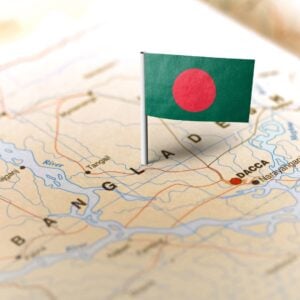
Public uprisings in Bangladesh, Nepal, and Sri Lanka illustrate the consequences of entrenched corruption, nepotism, and political repression. In Bangladesh, widespread protests against government policies in 2024 led to the ousting of Sheikh Hasina, yet the interim government struggled to implement meaningful reforms. In Nepal, Gen Z protesters initially forced political change after social media restrictions and corruption scandals, only to see old political structures persist. In Sri Lanka, protests ousted the Rajapaksa regime, yet the new government continued using counterterrorism laws to target minorities, suppress dissent, and perpetuate abuses.

In India, the BJP continues to leverage Hindu majoritarianism for electoral gains, engaging in hate speech and failing to prevent violence against minorities. Protesters face harsh crackdowns, including arrests, property demolitions, and misuse of anti-terrorism laws, reflecting systemic erosion of civil liberties and justice.

Political leaders in South Asia face a critical choice: perpetuate cycles of hate and repression, or invest in genuine social and economic progress. Sustainable stability requires prioritizing equality, employment, healthcare, education, and protection of rights. Ultimately, improvements in citizens’ lives, rather than manipulation and division, are the true measure of effective governance and political success.
Related Posts

  • Bangladesh Faces Surge in Violence Against Women, Girls, and Minorities Ahead of Elections
  • Uganda Halts Operations of Seven Human Rights NGOs Before General Elections
  • Trump’s Second Term: One Year On, Human Rights Erosion Raises Alarm in the USA
  • Internet Cut in Iran as Authorities Suppress Protests and Hide Human Rights Violations
  • Uganda Suspends Civic Groups Days Before National Elections

Primary Sidebar

Latest News

NAC 2026-2027 Arts Funding Opportunities for South African Practitioners

Pacific Nations Engage with EU to Expand iEPA Benefits and Boost Economic Resilience

The Role of African Women in Shaping Peace Processes and Conflict Resolution

Ghana Banks Face Rising Non-Performing Loans Amid Global Trade and Security Pressures

Transforming Remittances into Investments: Ghana’s Push for Sustainable Development

Strengthening Ghana–Korea Trade Ties: GIPC Showcases Gateway Market Potential

Afreximbank Launches 2026 Accelerator Supporting Trade and Industrialisation in Africa

New Greek Law Could Criminalize Aid Workers Assisting Migrants

South Korea Faces International Scrutiny Over Death Penalty for Ex-President Yoon

Rohingya Atrocities and Political Crackdown: Myanmar’s Human Rights Emergency

Zimbabwe Minerals Marketing Authority Reports 6% Revenue Growth in 2025

Government to Unlock Advanced Nuclear Power to Boost Economic Growth

FAO Launches Free Virtual Course on Improving Ruminant Biosecurity

WHO Urges Investment in Health Security Through 2026 Emergency Appeal

UNICEF Warns Children at Severe Risk as Conflict Disrupts Aid and Health Services

WHO Warns: Cancer Cases Could Rise 50% by 2040 Without Strong Prevention

What Is Crisis Management in Digital Marketing and Why Does It Matter?

How Digital Marketing Crises Impact Brand Trust: Case Studies and Recovery Lessons

How Sustainable Brands Drive Stronger Consumer Engagement and Loyalty

Digital Marketing for Non-Profits: Strategies to Boost Awareness, & Engagement

Millions Could Die as Global Aid Collapses, New Lancet Research Report Finds

WTO Chairs Programme Receives Funding Boost from Austria

WTO Fish Fund Seeks Proposals to Advance Fisheries Subsidy Agreement Implementation

Journalists Invited to Apply for Media Accreditation for WTO MC14 in Cameroon

WTO 2026 Workshop to Strengthen Government Procurement Policy and Trade Governance

CPI Study Highlights Women-Led Climate Finance in Nepal

Allianz Launches $1 Billion Emerging Markets Climate Fund with Anchor Backing from BII

BII, Alexforbes Drive Renewable Energy Innovation with R1 Billion Revego Investment

Vodacom Foundations Pledge R6 Million for Flood Relief in Mozambique and South Africa

€13B EIB Group Investment Supports France’s Climate Goals

EIB Backs Energy-Efficient Social Infrastructure with €200 Million Loan to Hemsö

€3.5 Billion EIB Financing Positions Greece Among Top EU Beneficiaries in 2025

Why Cities Are Now at the Heart of the Global Water Crisis

IFC Invests $150 Million in Otokoç Otomotiv to Boost Electric Mobility and Jobs in Türkiye

Nigeria Issues ₦501 Billion Power Sector Bond as AFC Supports Landmark Electricity Reforms

African Development Fund Plans Historic $1 Billion Market Borrowing Amid Donor Funding Decline

Somalia on the Brink: Children Face Catastrophic Hunger as Drought, Funding Cuts Deepen Crisis

New $9.3 Million Initiative Strengthens Climate Resilience and Water Security in Kabul

UNDP–ADB Partnership 2026 Boosts Inclusive Recovery in Kyrgyz Republic

Uzbekistan Launches GIS-Based Disaster Risk System

Funds for NGOs
Funds for Companies
Funds for Media
Funds for Individuals
Sample Proposals

Contact us
Submit a Grant
Advertise, Guest Posting & Backlinks
Fight Fraud against NGOs
About us

Terms of Use
Third-Party Links & Ads
Disclaimers
Copyright Policy
General
Privacy Policy

Premium Sign in
Premium Sign up
Premium Customer Support
Premium Terms of Service

©FUNDSFORNGOS LLC.   fundsforngos.org, fundsforngos.ai, and fundsforngospremium.com domains and their subdomains are the property of FUNDSFORNGOS, LLC 1018, 1060 Broadway, Albany, New York, NY 12204, United States.   Unless otherwise specified, this website is not affiliated with the abovementioned organizations. The material provided here is solely for informational purposes and without any warranty. Visitors are advised to use it at their discretion. Read the full disclaimer here. Privacy Policy. Cookie Policy.