The humanitarian crisis in Gaza remains far from over, according to Olga Cherevko of the UN Office for the Coordination of Humanitarian Affairs (OCHA). She highlighted that the lives of Palestinians continue to be shaped by displacement, trauma, uncertainty, and deprivation. Severe recurring storms have worsened conditions, destroying homes and belongings, and putting children at particular risk from exposure to cold and collapsing structures.
Since the ceasefire between Israel and Hamas, humanitarian agencies have delivered over 165,000 metric tonnes of aid, repaired roads, rehabilitated hospitals, cleared rubble, and re-opened distribution points. In the first two months of the truce alone, more than 1.3 million people received food packages, and over 1.5 million hot meals were prepared and delivered, improving food security across Gaza.
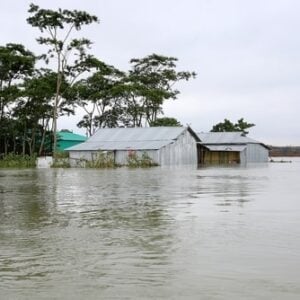
Despite these achievements, progress remains fragile. Torrential floods recently put thousands of families at risk, requiring the distribution of tents, tarpaulins, mattresses, and warm clothing. Ms. Cherevko warned that airstrikes, shelling, and armed clashes continue, causing daily civilian casualties. She emphasized that most of Gaza remains in ruins, and the humanitarian needs far exceed what agencies can currently provide.
Humanitarian efforts are constrained by restrictions on organizations and critical supplies, limiting their ability to deliver comprehensive aid. Winter storms have reversed some gains, as temporary shelters cannot replace damaged homes. While dozens of health service points have been re-opened or established, less than 40 percent of healthcare facilities are operational. Educational supplies for children, many of whom have missed two consecutive years of school, remain blocked from entry.
Ms. Cherevko stressed that emergency response and early recovery cannot wait for political solutions, noting that a ceasefire alone is not a recovery plan. She called for parties to the conflict to respect the ceasefire, protect civilians, and ensure sustained, unimpeded humanitarian access. Restrictions on aid agencies and critical supplies must be lifted, early recovery must be funded, and donor support must continue.
She warned that decisions made by both conflict parties and donors will determine whether the current pause in fighting leads to stability or simply becomes another brief respite before further violence. Immediate and sustained action is essential to prevent a reversal of humanitarian gains and to support the path toward recovery and resilience in Gaza.