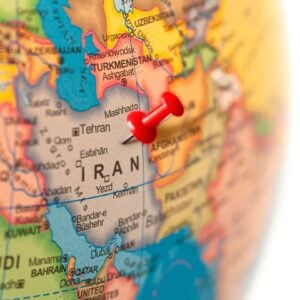
Amnesty International has documented unprecedented mass killings of protesters across Iran amid an ongoing internet shutdown, highlighting a systematic and escalating pattern of lethal repression. Since 8 January 2026, security forces have used firearms, shotguns, and prohibited weapons against largely peaceful demonstrators, resulting in a rapidly rising death toll officially reaching 2,000. The internet blackout, imposed to conceal the authorities’ actions, has severely limited access to information and impeded documentation of these human rights violations.
Verified videos, photographs, and eyewitness testimony from multiple provinces—including Tehran, Razavi Khorasan, Alborz, Kermanshah, and others—show bodies piled in hospitals, morgues, cemeteries, and makeshift facilities, while medical services are overwhelmed by the injured. Families searching for missing loved ones have been confronted with body bags in warehouses and freight containers. Security forces, including the Islamic Revolutionary Guard Corps (IRGC), Basij battalions, FARAJA police divisions, and plain-clothes agents, are reported to have fired on fleeing protesters, targeting heads and torsos with lethal intent.
In Tehran, footage from Kahrizak’s makeshift morgue revealed at least 205 body bags, with the official morgue counter displaying up to 250. Hospitals in Tehranpars, Narmak, and Shahr-e Qods recorded numerous fatalities and severe injuries, with eyewitnesses describing streets akin to war zones. Similar mass killings were documented in Razavi Khorasan, where 150 bodies of young protesters were brought into hospitals in Mashhad and quickly buried in Behesht Reza Cemetery, bypassing formal identification. Alborz and Kermanshah provinces also witnessed widespread shootings and arrests, leaving citizens and medical personnel in terror.
Amnesty International calls on UN Member States to take urgent coordinated action to deter further bloodshed, including convening special sessions of the UN Human Rights Council and Security Council, and considering the establishment of international justice mechanisms. Referral of the situation to the International Criminal Court (ICC) and enforcement of universal jurisdiction prosecutions are critical to signaling an end to the culture of impunity that enables the Iranian authorities’ ongoing violence.
Agnès Callamard, Amnesty International’s Secretary General, emphasized: “The spiral of bloodshed and impunity must end. Iranian authorities have escalated to mass killings of peaceful protesters demanding change. The international community must act now to protect civilians and confront the impunity driving this state policy of bloodshed.”
The organization also renewed its call for Iran’s Supreme National Security Council to immediately halt the use of lethal force and restore full internet access, which is essential for documenting violations and safeguarding the rights of citizens. The events highlight the urgent need for comprehensive international justice to address decades of systemic impunity in Iran, where security forces have repeatedly violated human rights during waves of protest.
The scale and severity of the crackdown underscore a coordinated nationwide effort to suppress dissent through lethal means, leaving families, journalists, and human rights defenders in a precarious situation as they seek to document and survive amid extreme violence.