Journalism in Somaliland is undergoing a significant transformation, moving beyond traditional reporting on official statements and breaking news toward in-depth coverage of complex and sensitive issues. Supported by targeted training and production funding, a new generation of journalists is increasingly reporting from spaces that were previously inaccessible, including displacement camps and areas affected by gender-based violence (GBV). Fatima Mohamed, a young Somali journalist, exemplifies this shift; her video reportage on women affected by displacement and violence was selected for screening at the African Women in Media Conference 2025, highlighting both the realities faced by survivors and the evolving professionalism of journalism in the region.
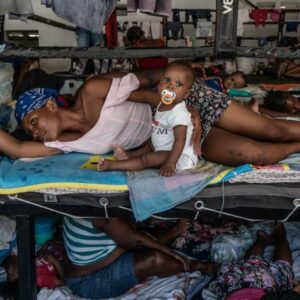
Fatima’s work responds to urgent and often overlooked challenges, including climate change-induced displacement, mass drought, and famine, which have forced tens of thousands into informal camps across Somaliland. These conditions increase women’s vulnerability to gender-based violence, yet cultural stigma and fear of shame often prevent survivors from speaking out. Through careful, survivor-centered reporting, Fatima collaborated with local service providers, government ministries, and community organizations to build trust and ethically amplify women’s voices, ensuring their experiences are documented without sensationalism.
Her reportage was produced as part of the Danwaadag project, supported by Free Press Unlimited in partnership with the Somaliland Journalists Association (SOLJA) and other organizations. Ten journalists were selected through a competitive open call, focusing on Disaster Risk Management and GBV, with women journalists encouraged to lead GBV coverage due to cultural sensitivities and survivor trust. The project emphasized ethical reporting principles, including privacy, respect, and cultural awareness, helping journalists navigate sensitive topics safely and professionally.
The work of Fatima and her peers reflects broader changes in Somaliland journalism, with growing professionalism, stronger editorial practices, and increased willingness to cover difficult stories. Women journalists are particularly critical in ensuring that the full reality is told, as their perspectives enable access to stories that might otherwise remain hidden. By situating gender-based violence within the broader context of displacement, climate change, and social vulnerability, this reporting not only raises awareness but also challenges policymakers, international organizations, and the public to confront systemic issues affecting women and marginalized communities in Somaliland.