Muynak, once a thriving port town on the southern shore of the Aral Sea, illustrates the profound human and ecological consequences of environmental collapse. In the mid-20th century, the town flourished as a fishing hub, with the Muynak Canned Fish Combine providing tens of thousands of jobs and supporting a vibrant maritime economy. By the 1960s, large-scale river diversions for cotton cultivation triggered the Aral Sea’s shrinkage, leading to rising salinity, the collapse of fish stocks, and the rapid decline of local industries. By the 1980s, the population had plummeted, canneries closed, and thousands of families left, leaving Muynak on the edge of the newly formed Aralkum Desert.
The ecological devastation produced severe human consequences. With over 90 percent of the Aral Sea’s surface lost by 2000, soil and air became contaminated with salt and pesticides, dust storms damaged crops, and public health deteriorated. Residents face high rates of respiratory disease, anaemia, and other illnesses, while maternal and infant mortality remain above national averages. Despite investments in health, water, and sanitation infrastructure, access remains limited, and local livelihoods continue to struggle amid water scarcity, poor soil quality, and limited economic opportunities.
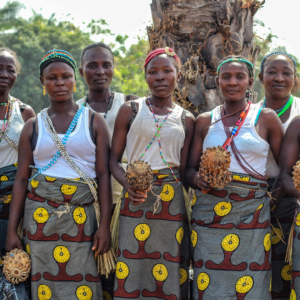
Muynak’s labour market has been dramatically affected, with most residents relying on seasonal migration, remittances, or informal work to survive. Formal employment is scarce, small businesses struggle due to limited capital and demand, and many youth face unemployment or precarious jobs. Women increasingly manage households and small enterprises, becoming essential to community resilience, while youth find limited avenues for skill development and income generation. Programs such as UNDP’s Green Aral Sea Initiative and the cultivation of Cistanche have created some green jobs, particularly for women, linking environmental restoration with livelihood opportunities.
Education and connectivity offer a measure of hope, with modern schools, technology labs, and increased preschool coverage supporting children’s learning. Digital networks and electricity function reliably, helping families maintain connections and access information, yet many young graduates must migrate for employment due to local job scarcity. Cultural initiatives, such as the Stihia Festival, museums, and arts programs, have also become tools for resilience, preserving memory, fostering community pride, and attracting tourism. These creative and cultural investments act as social infrastructure, strengthening identity and cohesion amid adversity.
Muynak’s experience highlights the principles of a place-based Just Transition. Recovery must prioritize human health, social justice, livelihoods, and inclusion while linking ecosystem restoration with green job creation. Addressing immediate needs, such as roads, water, and waste management, must accompany long-term environmental recovery. Strengthening local leadership, harnessing science and innovation, and investing in culture are essential to rebuild both social and economic life. Success should be measured in human terms—by lives improved and dignity restored—rather than solely in hectares restored or funds disbursed. Muynak demonstrates that environmental, social, and economic recovery are inseparable, and that a Just Transition must center on the people who continue to live on the frontlines of ecological collapse.