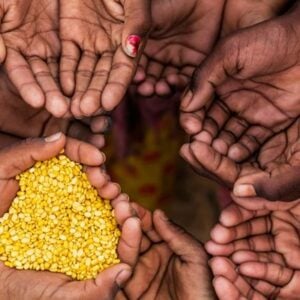
The January aid round in Gaza marks the first time since October 2023 that partners have had sufficient stock to meet 100 percent of the minimum caloric needs, according to UN Spokesperson Stéphane Dujarric. This represents a significant improvement compared with late 2025, when families received only 50 to 75 percent of the calories required for healthy living.
To address ongoing food insecurity, the UN supports the production of around 170,000 two-kilogram bread bundles daily. About a third of this bread is distributed free to over 400 shelters and community sites, while the remainder is sold at subsidized prices to ensure broader access.
Last week alone, the UN and its partners delivered more than 10,000 metric tonnes of aid through the Karim Shalom, Karem Abu Salam, and Zikim crossings. These supplies included food, cooking ingredients, animal fodder, hygiene items such as soap and diapers, winter clothing, blankets, and mattresses. The UN has emphasized the importance of allowing “unimpeded” passage of humanitarian relief, following Israeli authorities’ announcement to suspend operations of certain NGOs, a move that more than 50 organizations warned could hinder critical assistance.
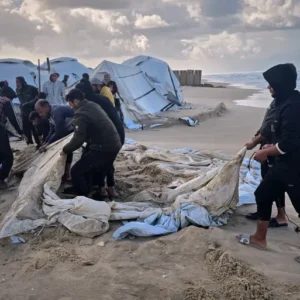
Despite these efforts, violence continues to affect Gaza. Israeli airstrikes, shelling, and gunfire were reported across multiple areas between Tuesday and Friday last week. According to the Gaza Ministry of Health, five Palestinians were killed and 11 injured in the 48 hours leading up to Thursday. Harsh winter conditions, including destructive storms, are further damaging infrastructure and placing water, sanitation, and hygiene services under strain, highlighting the ongoing vulnerability of civilians.