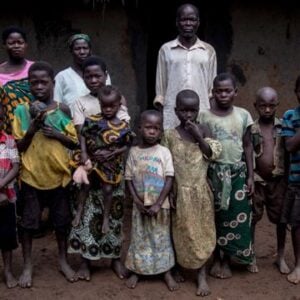
Between July and September 2018, Lao PDR faced severe heavy rains and flash floods triggered by tropical storm Son-Tinh, which were further intensified by the collapse of the Xe Pien–Xe Nam Noy hydropower dam in Champasak Province. These events caused widespread flooding across Attapeu Province, resulting in significant economic and non-economic losses. Families experienced destruction of homes, livelihoods, and rice crops, while infrastructure damage to schools and health-care facilities disrupted children’s access to education and essential services. The floods also heightened child protection risks, including family separation, child marriage, trafficking, and violence, with ethnic minority children being particularly vulnerable. Many children suffered trauma, and the inability of parents and caregivers to meet basic needs further compounded psychosocial impacts.
The government, coordinated through the National Disaster Prevention and Control Committee at the Ministry of Labour and Social Welfare (MoLSW), faced challenges in reaching vulnerable children due to low birth registration rates and limited financial and human resources. This constrained timely identification and support for children, especially those orphaned or separated from their families. Data collection mechanisms for child protection cases were insufficient, and clear guidance for ensuring a child’s best interests in post-disaster contexts was lacking.
In response, UNICEF Lao PDR led the emergency and recovery interventions, creating six child-friendly spaces (CFS) in Sanamxay District and training facilitators, front-line workers, and local leaders to support affected children. Building on these efforts, the Integrated Programme for Climate Resilience and Empowerment (2019–2023) strengthened the child protection system, enhanced climate resilience, and facilitated access to psychosocial support and social welfare services. Child Protection Network teams were established across five districts, trained in case management, and integrated into national and subnational systems. Training manuals on psychological first aid and mental health support were published, and National Alternative Care Guidelines were endorsed to provide structured support for vulnerable children.
The programme also implemented the Savings for Change (SfC) initiative to build family resilience by promoting savings and financial management, enabling access to loans during crises. This reduced negative coping strategies such as child labour and child marriage, alleviating domestic violence and anxiety. Community awareness campaigns, including a short film co-created with children, highlighted child protection risks and promoted positive caregiving practices. Children themselves were engaged in consultations and awareness activities, ensuring interventions were child-responsive and reflective of their lived experiences.
The programme demonstrated the effectiveness of a multi-stakeholder approach, integrating government, NGOs, and local communities to strengthen a resilient, child-responsive protection system adaptable to climate-related challenges. It addressed non-economic losses linked to economic hardships, such as school dropout, child marriage, and psychosocial impacts, while embedding activities within existing government and community structures to enhance sustainability. Sustained financial support, including from KOICA, enabled the continuation of recovery and resilience efforts, linking post-disaster response with long-term development needs. However, long-term psychosocial impacts and broader economic losses remain inadequately addressed due to funding limitations, highlighting the need for dedicated and sustainable Loss and Damage financing to expand the programme’s reach across Lao PDR and support more children in Attapeu Province.