A regional fisheries programme funded by the African Development Bank Group is transforming the lives of nearly three million people across Southern Africa, boosting fish production, trade, and incomes while strengthening food security and climate resilience. The $9.2 million initiative, known as the Program for Improving Fisheries Governance and Blue Economy Trade Corridors (PROFISHBLUE), has facilitated over 500,000 tonnes of cross-border fish trade across 16 SADC countries, creating jobs and supporting economic development.
Since its launch in 2022, PROFISHBLUE has built capacity for more than 250,000 beneficiaries in seven African Development Fund (ADF) countries, including the Democratic Republic of Congo, Madagascar, Malawi, Mozambique, Tanzania, Zambia, and Zimbabwe. Training programmes have covered fish value chains, post-harvest utilisation, business development, SME incubation, genetic improvement of endemic tilapia species, nutrition and product development, as well as blue economy investment planning and financing mechanisms. Support was also provided for fish stock assessments, vessel monitoring systems to deter illegal fishing, and training in vessel inspection and catch statistics, alongside the provision of quality assurance equipment, refrigerated transport, and knowledge transfer tools.
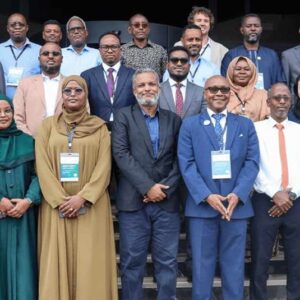
The programme’s achievements were celebrated on World Fisheries Day on 21 November in Gaborone, with the Southern African Development Community (SADC), the African Development Bank Group, and strategic partners highlighting PROFISHBLUE’s impact on fish value chains and local consumer markets. The initiative has successfully strengthened regional integration by improving fisheries governance and establishing sustainable blue economy trade corridors, demonstrating that aquatic resources can be managed sustainably, equitably, and resiliently in the face of climate change and external shocks.
Director Domingos Gove, speaking on behalf of SADC Deputy Secretary for Regional Integration Angele Makombo Ntumba, said the project shows how strategic investment in the blue economy can improve aquatic food systems for millions of people. Neeraj Vij, African Development Bank Regional Sector Manager for Feed Africa Operations in Southern Africa, added that PROFISHBLUE exemplifies best practices in integrating blue economy trade corridors and creating competitive value chains that provide jobs, livelihoods, and opportunities for rural communities, while contributing to global aquatic food supply chains valued at $300 billion annually.
Key partners implementing the programme include the Food and Agriculture Organization (FAO), United Nations Industrial Development Organization (UNIDO), Worldwide Fund for Nature (WWF), WorldFish, and the African Organization for Standardization (ARSO). Government officials, development partners, private-sector representatives, and civil society stakeholders gathered to chart the future of sustainable fisheries development in the region, with testimonials from women and smallholder entrepreneurs highlighting the inclusive impact of the initiative. Participants shared how PROFISHBLUE enabled technological adoption in seaweed farming and improved fish processing practices, underscoring the project’s role in empowering communities and fostering economic transformation across Southern Africa.