The United Nations World Food Programme (WFP) has received a EUR 2 million contribution from the Government of France to enhance food security for refugees and improve nutrition for women and children in Uganda. Announced at a ceremony in Kampala with France’s Ambassador Virginie Leroy and WFP’s Country Director Lauren Landis, the funding will enable life-saving food and nutrition assistance for more than 70,000 people throughout 2026.
The support comes amid significant funding challenges for WFP, allowing the organization to provide both emergency relief and preventive nutrition programs. The initiative will strengthen local economies and help communities recover from hardship while promoting sustainable production and consumption of nutritious foods. Activities will include emergency food assistance for newly arrived refugees from the Great Lakes Region, integrated nutrition programs for mothers and children, and school feeding initiatives in Karamoja.
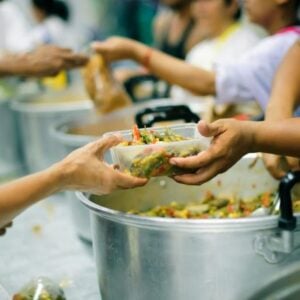
France’s funding will allow WFP to deliver urgent food aid to nearly 40,000 newly arrived refugees, including high-energy biscuits at border points, hot meals at transit centers, and cash-based transfers to purchase food. Uganda hosts almost 2 million refugees, with over 140,000 arriving this year alone, highlighting the pressing need for humanitarian support.
Nutrition programs will target 3,500 pregnant and breastfeeding women and 7,000 children in reception centers with high malnutrition rates. WFP will promote locally sourced, nutrient-rich therapeutic foods such as METU 1, made from sorghum, groundnuts, sugar, and oil, to treat moderate acute malnutrition. These interventions aim to improve long-term health, learning, and productivity outcomes for vulnerable populations.
In Karamoja, where 85 percent of the population lives in poverty and many children lack access to meals, 20,000 learners across 33 schools in Nakapiripirit District will receive daily nutritious meals. The program also links schools to local farmers, particularly women-led groups, supporting stronger local food systems while enhancing school attendance, reducing dropout rates—especially among girls—and providing children with the energy needed to learn effectively.