Northern Nigeria is facing unprecedented levels of hunger amid growing instability and a surge in insurgent attacks, the United Nations World Food Programme (WFP) has warned. According to the latest Cadre Harmonisé regional food security analysis, nearly 35 million people are projected to experience severe food insecurity during the 2026 lean season, marking the highest number ever recorded in Nigeria.
Insurgent activity has intensified throughout 2025, with groups such as Jama’at Nusrat al-Islam wal-Muslimin (JNIM) carrying out attacks in Nigeria for the first time and the Islamic State in West Africa Province (ISWAP) expanding its operations across the Sahel. Other incidents include the killing of a brigadier in the northeast and attacks on public schools, leaving several teachers and hundreds of schoolgirls missing. WFP officials warn that repeated attacks combined with economic pressures are exacerbating food insecurity, which in turn could fuel further instability and regional security risks.
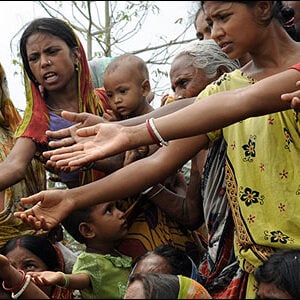
Rural farming communities in northern Nigeria are the hardest hit, with nearly six million people projected to face crisis-level hunger or worse in the conflict-affected states of Borno, Adamawa, and Yobe during the 2026 lean season. Approximately 15,000 people in Borno State alone are expected to experience catastrophic hunger conditions, while children across Borno, Sokoto, Yobe, and Zamfara are at the greatest risk due to high malnutrition rates.
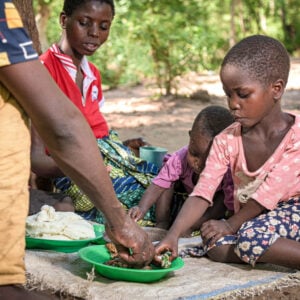
Funding shortfalls have worsened the crisis, forcing WFP to scale down nutrition programs in the northeast in July, impacting over 300,000 children. With nearly one million people reliant on WFP’s food and nutrition assistance, closures of clinics have led to malnutrition levels deteriorating from “serious” to “critical” in the third quarter of 2025.
Without urgent additional funding, WFP will exhaust resources for emergency food and nutrition assistance by December, leaving millions without essential support in 2026. The agency warns that failure to address the crisis risks worsening instability and deepening one of the most severe hunger emergencies in West Africa.