• Skip to primary navigation
  • Skip to main content
  • Skip to primary sidebar

fundsforNGOs News

Grants and Resources for Sustainability

  • Subscribe for Free
  • Premium Support
  • Premium Login
  • Premium Sign up
  • Home
  • Funds for NGOs
    • Agriculture, Food and Nutrition
    • Animals and Wildlife
    • Arts and Culture
    • Children
    • Civil Society
    • Community Development
    • COVID
    • Democracy and Good Governance
    • Disability
    • Economic Development
    • Education
    • Employment and Labour
    • Environmental Conservation and Climate Change
    • Family Support
    • Healthcare
    • HIV and AIDS
    • Housing and Shelter
    • Humanitarian Relief
    • Human Rights
    • Human Service
    • Information Technology
    • LGBTQ
    • Livelihood Development
    • Media and Development
    • Narcotics, Drugs and Crime
    • Old Age Care
    • Peace and Conflict Resolution
    • Poverty Alleviation
    • Refugees, Migration and Asylum Seekers
    • Science and Technology
    • Sports and Development
    • Sustainable Development
    • Water, Sanitation and Hygiene (WASH)
    • Women and Gender
  • Funds for Companies
    • Accounts and Finance
    • Agriculture, Food and Nutrition
    • Artificial Intelligence
    • Education
    • Energy
    • Environment and Climate Change
    • Healthcare
    • Innovation
    • Manufacturing
    • Media
    • Research Activities
    • Startups and Early-Stage
    • Sustainable Development
    • Technology
    • Travel and Tourism
    • Women
    • Youth
  • Funds for Individuals
    • All Individuals
    • Artists
    • Disabled Persons
    • LGBTQ Persons
    • PhD Holders
    • Researchers
    • Scientists
    • Students
    • Women
    • Writers
    • Youths
  • Funds in Your Country
    • Funds in Australia
    • Funds in Bangladesh
    • Funds in Belgium
    • Funds in Canada
    • Funds in Switzerland
    • Funds in Cameroon
    • Funds in Germany
    • Funds in the United Kingdom
    • Funds in Ghana
    • Funds in India
    • Funds in Kenya
    • Funds in Lebanon
    • Funds in Malawi
    • Funds in Nigeria
    • Funds in the Netherlands
    • Funds in Tanzania
    • Funds in Uganda
    • Funds in the United States
    • Funds within the United States
      • Funds for US Nonprofits
      • Funds for US Individuals
      • Funds for US Businesses
      • Funds for US Institutions
    • Funds in South Africa
    • Funds in Zambia
    • Funds in Zimbabwe
  • Proposal Writing
    • How to write a Proposal
    • Sample Proposals
      • Agriculture
      • Business & Entrepreneurship
      • Children
      • Climate Change & Diversity
      • Community Development
      • Democracy and Good Governance
      • Disability
      • Disaster & Humanitarian Relief
      • Environment
      • Education
      • Healthcare
      • Housing & Shelter
      • Human Rights
      • Information Technology
      • Livelihood Development
      • Narcotics, Drugs & Crime
      • Nutrition & Food Security
      • Poverty Alleviation
      • Sustainable Develoment
      • Refugee & Asylum Seekers
      • Rural Development
      • Water, Sanitation and Hygiene (WASH)
      • Women and Gender
  • News
    • Q&A
  • Premium
    • Premium Log-in
    • Premium Webinars
    • Premium Support
  • Contact
    • Submit Your Grant
    • About us
    • FAQ
    • NGOs.AI
You are here: Home / cat / US Says Global Diversity Policies Breach Human Rights Standards

US Says Global Diversity Policies Breach Human Rights Standards

Dated: November 24, 2025

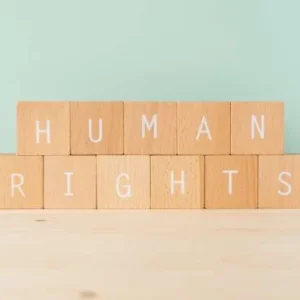
The United States has introduced new rules that classify certain diversity, equity and inclusion policies, as well as other social measures implemented by foreign governments, as potential human rights violations. According to the State Department, these instructions will guide all US embassies and consulates in their contributions to the annual human rights report, marking a significant shift in how Washington interprets global human rights standards. The changes reflect the Trump administration’s broader domestic agenda and are intended, officials say, to counter what they describe as “destructive ideologies”.

Under the new approach, countries that enforce race- or gender-based DEI policies, subsidise abortion, allow gender-transition surgeries for minors or facilitate mass migration may be labelled as infringing on human rights. A senior State Department official said these rules are meant to influence the behaviour of foreign governments, emphasising that human rights are endowed by a creator, not granted by governments. The administration also considers restrictions on certain types of speech—such as European laws targeting online hate speech—as violations of free expression.

Rights advocates have strongly condemned the changes, arguing that the administration is redefining human rights to fit partisan objectives. Critics say the new framework ignores established protections for women, LGBTQI+ people, religious and ethnic minorities, and others who have long been recognised under international law. They warn that the shift represents a politicisation of human rights policy and introduces open hostility toward LGBTQI+ communities.

The new guidance accompanies broader changes already visible in the State Department’s latest human rights report, which was heavily revised and narrowed. The updated report reduced criticism of some US allies, increased scrutiny of perceived adversaries and removed entire sections addressing issues such as corruption and the persecution of LGBTQ+ individuals. It also claimed that human rights conditions had deteriorated in some European democracies due to laws fighting online hate speech—language that echoed arguments made by tech industry figures opposed to online safety legislation.

Related Posts

  • Ireland Bids for Human Rights Council Seat with Official Campaign Launch
  • Human Rights Priorities the New Thai Government Cannot Ignore
  • Malaysia Launches Sustainability Training to Support Employers with New Compliance Demands
  • Bangladesh Hasina Verdict: Why This Decision Matters for Victims
  • Brazil: Calls Grow to Preserve Environmental Safeguards and Defender Rights

Primary Sidebar

Latest News

Ghana Strengthens Rotavirus Surveillance to Protect Vaccine Gains

Health Minister and WHO Visit Lakes and Warrap to Boost Services

EIB Invests €40 Million in Speedinvest to Boost African Tech Startups

Nearly 30 New Initiatives Preserve Central Asia’s Cultural Heritage

EU Pledges €458 Million in Humanitarian Aid for Middle East

Hildegarde Naughton Launches €100k Funding for Music Education

Major Funding Boost Aims to Divert Women from Crime

£50m Boost to Help Families with Rising Heating Oil Costs

UK Announces Urgent Aid Package to Support Lebanon

UK Unleashes £1.4bn to Protect Homes and Businesses from Floods

Rising Energy Costs Highlight Need for Renewables, Says UN

Middle East Conflict Fuels Rising Civilian Toll

Glimmer of Hope in Haiti as Gang Frontlines Shift

Breaking the Cycle of Addiction: Ontario’s Community Action

Kyrgyzstan Expands Healthcare Access for Communities

ILO Warns of Job Risks as Nepal Approaches LDC Graduation

ILO and Cuba Partner to Support Persons with Disabilities in Zambia

Air Quality in Uttar Pradesh to Improve Through World Bank Initiative

Boosting Competitiveness and Mining Sustainability in Peru

New Trade Finance Initiative Strengthens Angola’s Economy

INITIATE²: West Africa Boosts Outbreak Preparedness in Dakar

CSW70: Advancing Girls’ Education for Peace in Africa

Pandemic Fund: Strengthening Global Health Security

Uganda NGOs Face Uncertain Future Amid Funding Cuts, Tight Regulations, and Donor Exit

$80 Billion at Risk as Global TB Funding Declines, Study Reveals

NGOs Warn Lebanon on Brink of Humanitarian Crisis Amid Escalation and Mass Displacement

Syria Crisis After 15 Years: Humanitarian Needs Remain Critical Despite Political Change

Czech Government Moves to Tighten NGO Law Amid Transparency Debate and Opposition Criticism

Uganda Freezes NGO Bank Accounts as FIA Investigates Funding Sources and Financial Irregularities

NGO Empowers 60 Lagos Residents with Vocational Skills to Boost Livelihoods and Prevent Child Labour

Olkeriai River Crisis: How Sand Harvesting Is Drying Water Sources and Disrupting Maasai Life in Kenya

10 Key Lessons from Early Warning Systems Innovators Driving Anticipatory Action for Climate Disasters

Tajikistan Needs $1 Billion Annually to Meet Climate Goals and Boost Resilience

Solar Power Transforms Maternal Care and Immunisation in Rural Uganda Health Centres

UNDP Delivers Climate-Resilient Homes to Flood-Affected Families in Quetta

Tree Canopy Charges and Citizen Resistance: Lessons from Victoriaville, Quebec

Aging Pipes and Inequality: Lessons from the Jackson, Mississippi Water Crisis

WaterAid Bangladesh Hosts National WASH4UP Workshop to Strengthen Urban Sanitation and Hygiene Services

UNFPA and FIGO Partner to Boost Innovation and Investment in Women’s Health

Empowering Women in Agrifood Systems: Lessons from Odisha’s Gender-Inclusive Policies

Funds for NGOs
Funds for Companies
Funds for Media
Funds for Individuals
Sample Proposals

Contact us
Submit a Grant
Advertise, Guest Posting & Backlinks
Fight Fraud against NGOs
About us

Terms of Use
Third-Party Links & Ads
Disclaimers
Copyright Policy
General
Privacy Policy

Premium Sign in
Premium Sign up
Premium Customer Support
Premium Terms of Service

©FUNDSFORNGOS LLC.   fundsforngos.org, fundsforngos.ai, and fundsforngospremium.com domains and their subdomains are the property of FUNDSFORNGOS, LLC 1018, 1060 Broadway, Albany, New York, NY 12204, United States.   Unless otherwise specified, this website is not affiliated with the abovementioned organizations. The material provided here is solely for informational purposes and without any warranty. Visitors are advised to use it at their discretion. Read the full disclaimer here. Privacy Policy. Cookie Policy.