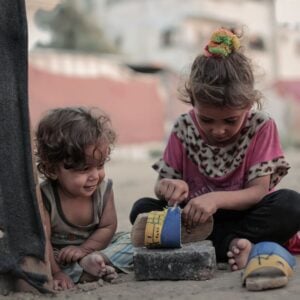
U.S. foreign aid has historically played a crucial role in reducing global poverty, hunger, and inequality. The Trump administration’s drastic cuts to foreign assistance, including the closure of the U.S. Agency for International Development (USAID), have provoked widespread public concern and backlash from humanitarian and development organizations such as Oxfam. These cuts threaten to disrupt essential services worldwide, leaving at least 23 million children without access to education and up to 95 million people without basic healthcare, potentially resulting in over three million preventable deaths annually.
USAID, established in 1961, had been central to U.S. humanitarian and development work, delivering life-saving medicines, food, clean water, and assistance to women and children, while also supporting peace-building efforts. The agency operated efficiently on less than one percent of the U.S. federal budget, with its $63 billion allocation in 2023 supporting programs in around 130 countries. By fostering education, healthcare, economic development, and disaster relief, USAID contributed significantly to global poverty reduction and human wellbeing.
The effects of these cuts are already being felt in countries facing severe crises, including Ukraine, the Democratic Republic of Congo, Ethiopia, and Syria. Programs like maternal and child health initiatives, which had reduced under-five mortality rates by two-thirds in 90 countries since 1990, and the U.S. President’s Emergency Plan for AIDS Relief (PEPFAR), which has saved over 25 million lives since 2003, are particularly at risk. Eliminating or reducing funding for such initiatives could leave millions, including vulnerable children, without critical healthcare, increasing preventable deaths and worsening humanitarian crises.
Humanitarian aid workers are experiencing immediate challenges as USAID-supported programs halt. In the Democratic Republic of Congo, for example, the abrupt cessation of water and sanitation support has forced communities to rely on unsafe water sources, increasing the risk of cholera outbreaks. Similarly, disaster response capabilities in regions such as Myanmar are severely compromised, highlighting the life-and-death consequences of funding cuts.
Oxfam has actively responded by joining legal action to defend USAID and U.S. foreign assistance. It is also engaging in advocacy efforts in Washington, D.C., meeting with policymakers to highlight the humanitarian and development impacts of the aid reductions. Oxfam supporters have participated in petitions, phone campaigns, and meetings with Congress members, urging the protection of critical foreign aid funding. These efforts aim to restore lifesaving support, especially for communities affected by conflict, natural disasters, and extreme poverty.
The situation underscores the importance of U.S. foreign aid as an instrument for global stability, public health, and poverty alleviation. Restoring and safeguarding these programs is not only a moral imperative but also critical to ensuring that the U.S. continues to play a leadership role in international development and humanitarian assistance.