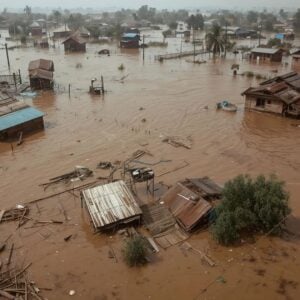
The International Labour Organization (ILO) has launched an employment-intensive infrastructure rehabilitation initiative to support recovery in Myanmar following the devastating earthquake of March 2025. The disaster struck the Inle Lake area in Southern Shan State and the Mandalay Region, damaging 58 townships and affecting more than 17 million people. Over nine million remain in need of urgent assistance. The initiative, financed by the ILO and the Government of Japan through the ILO-Japan Social Safety Net (SSN), seeks to rebuild critical community infrastructure and create decent income opportunities for those impacted, while promoting decent work principles.
An Early Recovery Needs Assessment conducted in August 2025 revealed extensive destruction—over 3,400 households in the Inle Lake area were damaged or destroyed, and 76 percent of Mandalay’s cities were left in ruins. Many residents remain displaced, struggling with limited access to safe water, sanitation, and livelihoods. The collapse of key infrastructure continues to expose vulnerable groups—particularly women, children, the elderly, and persons with disabilities—to health and protection risks.
Through this initiative, the ILO aims to create more than 27,000 decent workdays for about 1,500 crisis-affected households. The project ensures that vulnerable groups, including single-mother households, people with disabilities, and internally displaced persons, have equitable access to work opportunities and receive equal pay for equal value. Safety standards and occupational health measures are strictly enforced at all project sites.
To strengthen community participation and local ownership, Village Development Committees (VDCs) have been established in 25 locations, comprising equal representation of men and women. These committees are managing the reconstruction of 24 essential community assets, including schools, multipurpose buildings, roads, and over 150 water and sanitation facilities. The ILO has trained committee members in planning, procurement, and financial management to ensure transparency and sustainability of the works.
The project emphasizes inclusive decision-making and accountability through grievance mechanisms, record-keeping, and community audits. Local beneficiaries, like Aung Soe from Tha Lae U Inn Village, shared that the rehabilitation of rural roads not only improves access to markets and schools but also provides steady income for rebuilding livelihoods, such as damaged farms.
To build resilience beyond immediate recovery, the initiative includes technical training for over 220 workers in construction, weaving, and sewing—skills identified by women as key to sustainable income. Additionally, 20 local contractors are receiving training in project management, budgeting, and quality control to strengthen future employment prospects.
Aligned with ILO Recommendation No. 205 on Employment and Decent Work for Peace and Resilience, the project integrates humanitarian and development efforts to tackle fragility, promote social cohesion, and support sustainable recovery. As part of the UN’s Myanmar Early Recovery Cluster, the initiative demonstrates how decent work can serve as a bridge between emergency relief and long-term development, laying the groundwork for further investment in inclusive reconstruction and livelihood restoration.