The Food and Agriculture Organization (FAO), the World Food Programme (WFP), and UNICEF have warned that famine conditions have been confirmed in Sudan’s El Fasher and Kadugli, where conflict and siege have cut communities off from humanitarian aid and food supplies. The latest Integrated Food Security Phase Classification (IPC) report highlights stark contrasts across the country, with food security improving in areas where fighting has decreased, such as Khartoum, Al Jazirah, and Sennar, while deteriorating sharply in conflict zones. The agencies are calling for an immediate end to hostilities and safe, sustained humanitarian access to prevent further loss of life.
By September 2025, about 21.2 million people—45% of Sudan’s population—were facing high levels of acute food insecurity. This marks a slight improvement from earlier in the year, with 3.4 million fewer people in crisis conditions due to improved stability and humanitarian access in some regions. Markets have reopened, families have begun to return home, and agricultural prospects look better for the post-harvest period into 2026. However, these positive developments are fragile and uneven, as many returning families have lost their assets, and infrastructure remains severely damaged.
In western Sudan, particularly in North and South Darfur, West Kordofan, and South Kordofan, ongoing conflict and restricted humanitarian access have led to worsening hunger and malnutrition. Conditions are especially dire in El Fasher and Kadugli, where famine thresholds for food consumption, acute malnutrition, and mortality have been surpassed. The Famine Review Committee confirmed famine conditions (IPC Phase 5) in these areas, noting that Dilling faces similar risks but cannot be classified due to lack of reliable data. Meanwhile, some areas in the Western Nuba Mountains have improved slightly but remain at high risk if access does not improve.
Nutrition data show extreme levels of malnutrition among children, with Global Acute Malnutrition rates between 38% and 75% in El Fasher and 29% in Kadugli. The collapse of health, water, and sanitation systems, along with outbreaks of cholera, malaria, and measles, has worsened child mortality rates. UNICEF emphasized that millions of children are at risk from the combined impacts of hunger, disease, and displacement, with girls particularly vulnerable to malnutrition, violence, and loss of education. The agency urged all parties to allow safe, timely humanitarian access and uphold international humanitarian law.
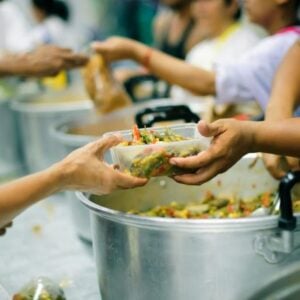
WFP reported that it currently reaches over four million people monthly with food aid but warned that conflict continues to dictate who receives assistance. In many areas, markets have collapsed, food prices have soared, and people have gone months without access to food or healthcare. FAO stressed the urgent need to restore local food production by providing seeds, tools, and livestock support to farmers and herders.
UNICEF, WFP, and FAO are coordinating to deliver integrated support—combining food, nutrition, health, water, sanitation, and agricultural assistance—to the most affected populations. However, aid efforts are hampered by insecurity, limited funding, and attacks on humanitarian workers and convoys. The agencies warn that without immediate access, sufficient funding, and an end to the conflict, famine will continue to spread and claim more lives across Sudan.