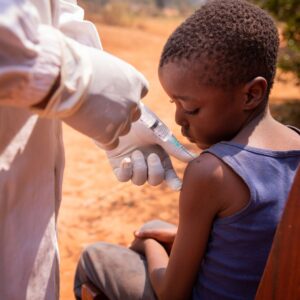
In January 2025, the World Health Organization (WHO), in collaboration with the Government of Bangladesh and health partners, launched a large-scale Oral Cholera Vaccination (OCV) campaign targeting Rohingya refugees and nearby host communities. The campaign successfully vaccinated 976,751 people, achieving an impressive 103.6% coverage rate, largely due to new refugee arrivals and denominator discrepancies. Children accounted for 42% of those vaccinated, reflecting the campaign’s focus on protecting the most vulnerable.
This achievement was the result of extensive planning and coordination. WHO oversaw technical preparations, trained vaccinators in safe vaccine delivery and data management, and ensured that vaccines were stored and distributed correctly across all 33 camps. Volunteers played a vital role, conducting door-to-door visits to raise awareness and ensure that no household was missed. The results were immediate—confirmed cholera cases fell from 170 in December to just 32 by the end of January, marking a fivefold reduction and effectively signaling the end of the outbreak.
In April 2025, a second OCV round was conducted, reaching 177,222 children aged one to five years, the group most at risk of severe cholera infection. This effort was complemented by improvements in water, sanitation, and hygiene (WASH) services, along with strengthened disease surveillance systems, further boosting Cox’s Bazar’s resilience to future outbreaks.
To consolidate these gains, WHO and the Government of Bangladesh held a cholera preparedness simulation exercise in May 2025. The drill tested the country’s emergency response mechanisms and enhanced coordination between health and WASH sectors. The lessons learned from this exercise have reinforced national preparedness and ensured that Bangladesh remains ready to act swiftly in the face of future cholera threats.