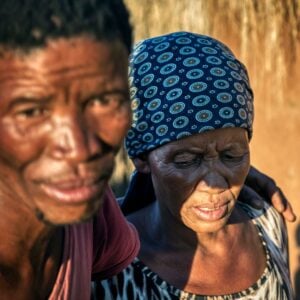
The Seventy-second session of the WHO Regional Committee for the Eastern Mediterranean marked a historic step forward for health systems in the Region, as Member States endorsed resolution EM/RC72/R.4 on palliative care. The decision represents a transformative commitment to support individuals living with life-limiting illnesses, chronic conditions, and frailty, ensuring that care extends beyond treatment to dignity and compassion.
Dr Lamia Mahmoud, Regional Advisor for Noncommunicable Disease Prevention, presented the technical paper revealing that while 2.4 million people in the Region need palliative care each year, less than 1% currently receive it. She highlighted that humanitarian crises, limited access to essential medicines, and misconceptions linking palliative care solely with end-of-life situations are major barriers.
The resolution calls for countries to integrate palliative care into national health strategies, guarantee access to essential medicines such as oral opioids, and incorporate palliative care education into health professional training. It also emphasizes the need for home-based care, community participation, and robust monitoring frameworks using key performance indicators. Early integration, according to WHO, not only relieves suffering but also improves patient outcomes, strengthens teamwork, and can reduce healthcare costs by up to 30%.
The resolution was developed through broad consultations across all 22 Member States, covering governance, service delivery, medicines, education, community engagement, and monitoring. It builds upon WHA Resolution 67.19 (2014) and subsequent regional research and reports. Country representatives shared their progress and commitments—Jordan stressed crisis resilience, the UAE recognized palliative care as a right, Iraq and Kuwait highlighted access and home-based services, while Egypt, Pakistan, and Oman discussed policy reforms and sustainable financing.
Regional organizations and partners, including the IFMSA, UICC, EMPHNET, and the NCD Alliance, reinforced the call for education, community-based models, and equity monitoring. Collectively, these efforts demonstrate growing regional solidarity and momentum to embed palliative care across all levels of health systems.
WHO Regional Director Dr Hanan Balkhy underscored that palliative care should be seen as a vital solution rather than a challenge, reaffirming WHO’s support for capacity-building and system reforms. “The time to act is now,” she stated, emphasizing that no patient in the Region should be left to suffer without compassionate care.