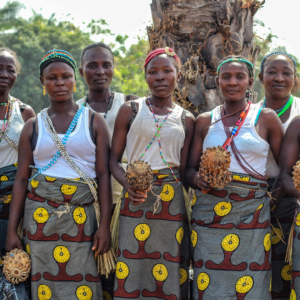
The International Labour Organization (ILO) has released a publication titled “Gender equality in supply chains: How ILO interventions foster gender equality in outcomes in supply chains”, which examines the systemic barriers faced by women workers globally and presents practical interventions that have proven effective in driving meaningful change. The brief underscores that while women constitute 40 per cent of the supply chain workforce, they remain underpaid, underrepresented, and undervalued. In sectors such as garments, where female participation exceeds 80 percent, women continue to face lower wages than men in similar roles, limited access to traditionally male-dominated jobs, restricted career advancement, and persistent stereotypes confining them to lower-skilled, lower-paid positions. These structural inequalities not only impact women but also weaken the resilience and sustainability of supply chains, making gender equality both a moral and economic imperative.
The ILO emphasizes that isolated solutions are insufficient to address these challenges. Comprehensive interventions are required to tackle the root causes of inequality. Examples highlighted in the brief include strengthening protections against workplace harassment and discrimination, promoting safe and healthy working conditions, expanding access to skills development and leadership training tailored for women, supporting networks and collective action to build social capital, and ensuring equitable distribution of unpaid care work. By addressing both immediate needs and structural barriers, these measures create environments where women can thrive while reinforcing the overall efficiency and inclusiveness of supply chains.
A central theme of the publication is the importance of gender-disaggregated data. Reliable data allows governments, employers, and workers’ organizations to identify inequities and design targeted, evidence-based policies. Without such data, gender disparities often remain invisible and unaddressed, hindering efforts to close gaps in pay, representation, and working conditions.
The ILO also highlights the need for coordinated global action. By presenting its findings in thematic clusters, the brief provides a framework for policymakers, employers, and social partners to collaborate effectively. Progress in one area, such as equal pay, can have multiplier effects in others, including improved representation and safer workplaces. The overarching message is that achieving gender equality in supply chains is not an isolated goal but a critical component of a broader agenda for decent work, sustainable development, and inclusive growth worldwide.